

News and Information
Please contact us for details. CONTACT >>
Exhibition (We did Production Support)
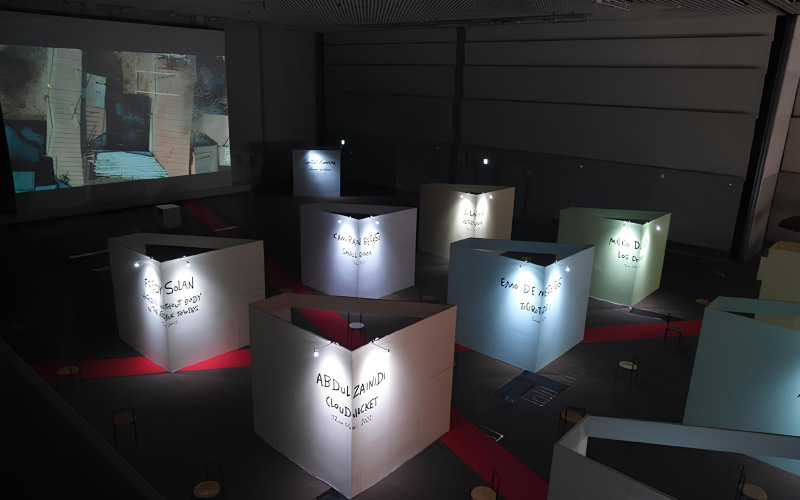
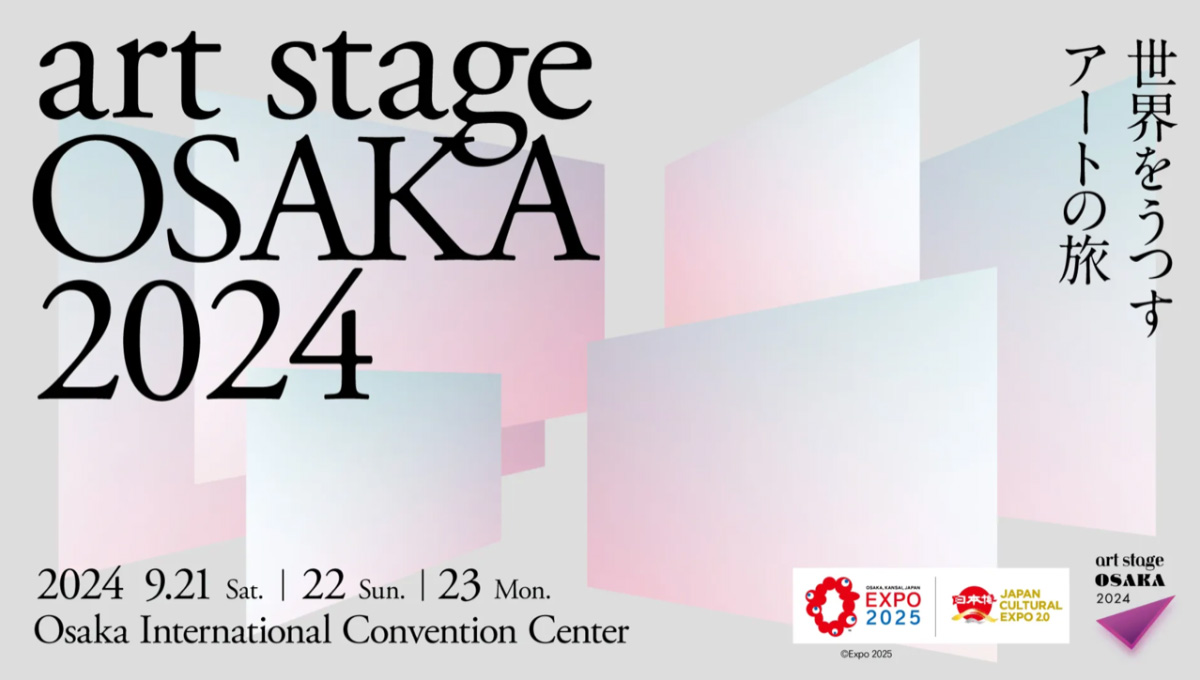
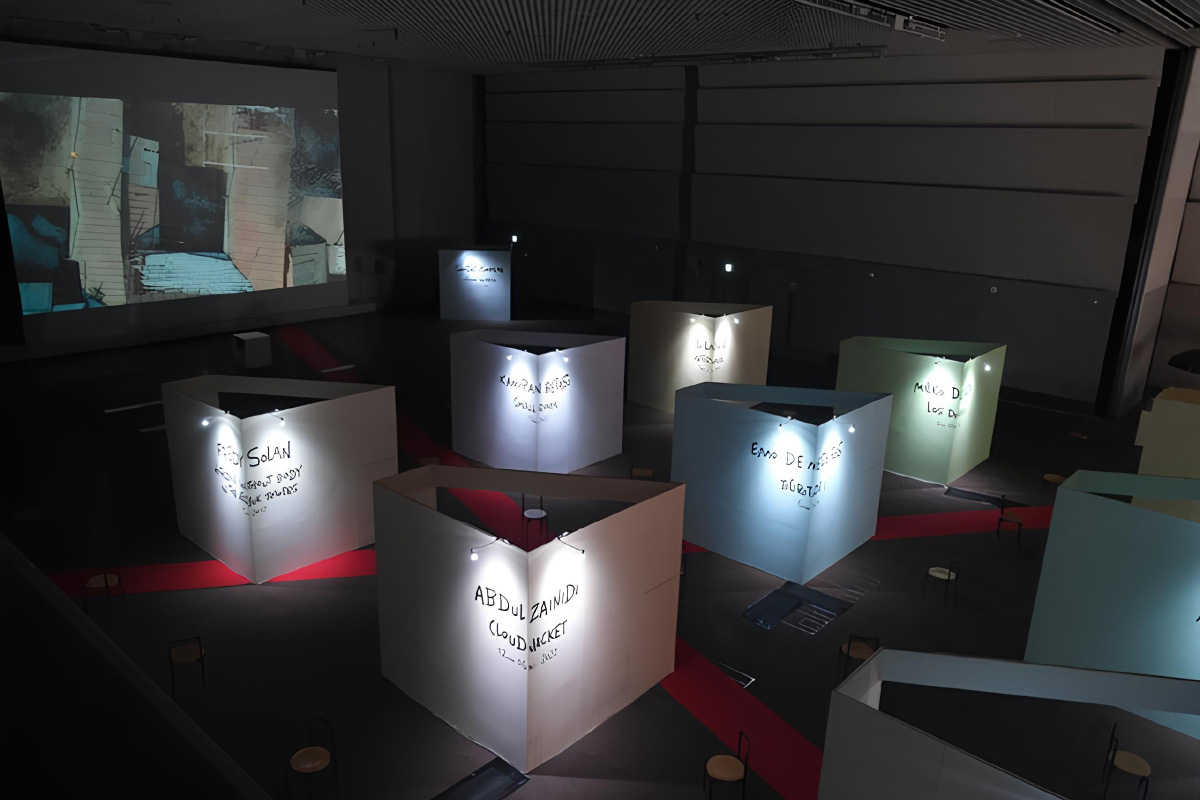
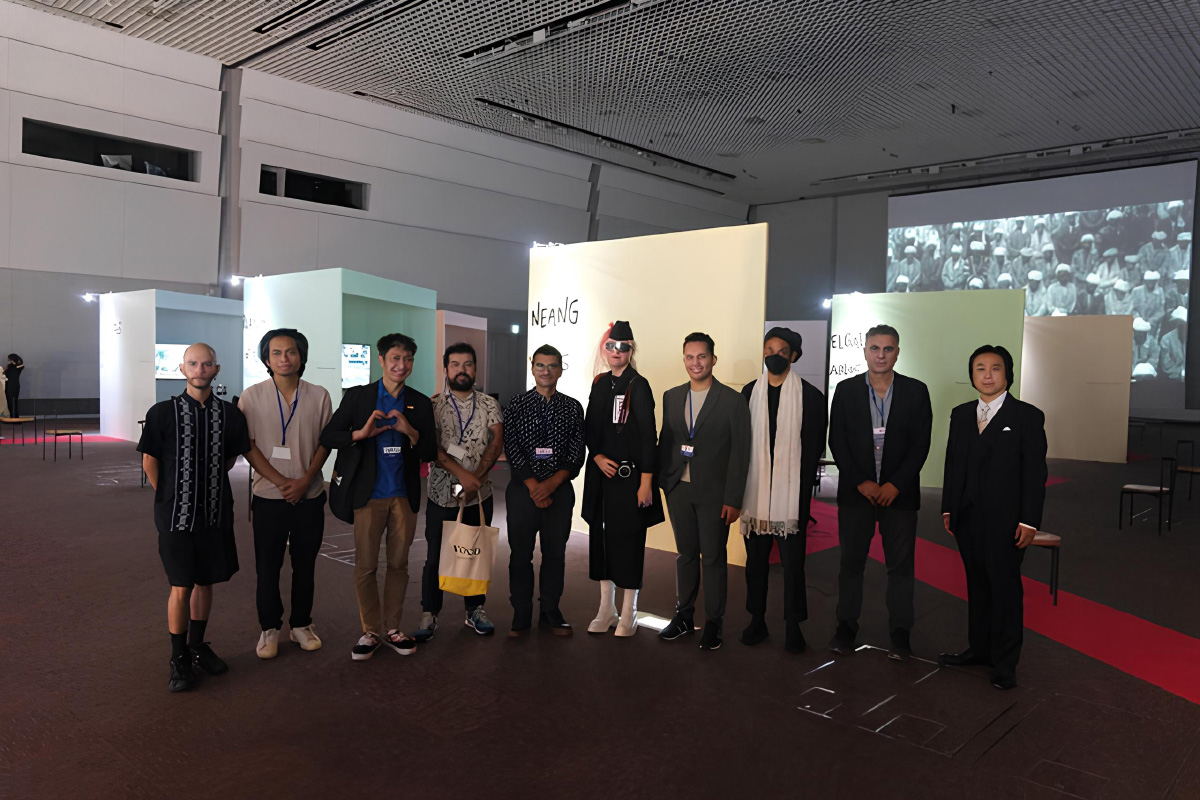
Art Stage Osaka 2024 -World Art Exhibition
https://www.artstageosaka.com/en
21st Sep. – 23rd Sep. 2024
Osaka International Convention Center
Artists : https://www.artstageosaka.com/artists
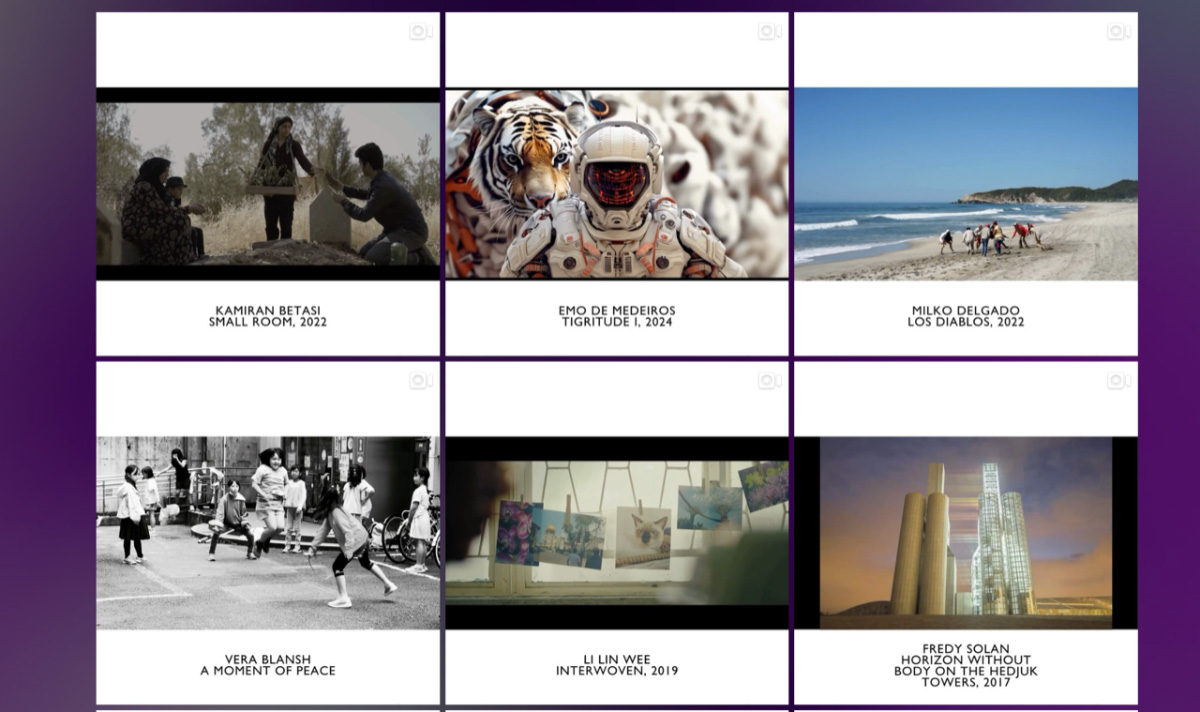
Emo de Medeiros (Benin), Abdul Zainidi (Brunei), Kavich Neang (Cambodia), Calderon & Pineros (Colombia), Fredy Solan (El Salvador), Saodat Ismailova (France), Kamiran Betasi (Iran), Milko Delgado (Panama), Li Lin Wee (Singapore), Vera Blanch (Ukraine)
We can open the exhibition!
We are happy to announce we can open the exhibition everything you’ve ever wanted is on the other side of the planet at AIL Vienna. The opening hours are:
7th Dec 2020 - 26th Dec 2020
Monday to Saturday (Wednesdays, Sundays and 24th, 25th Dec will be closed)
Opening hours: 12-18
Exhibition details, please see below
Outside
Ground floor
Basement
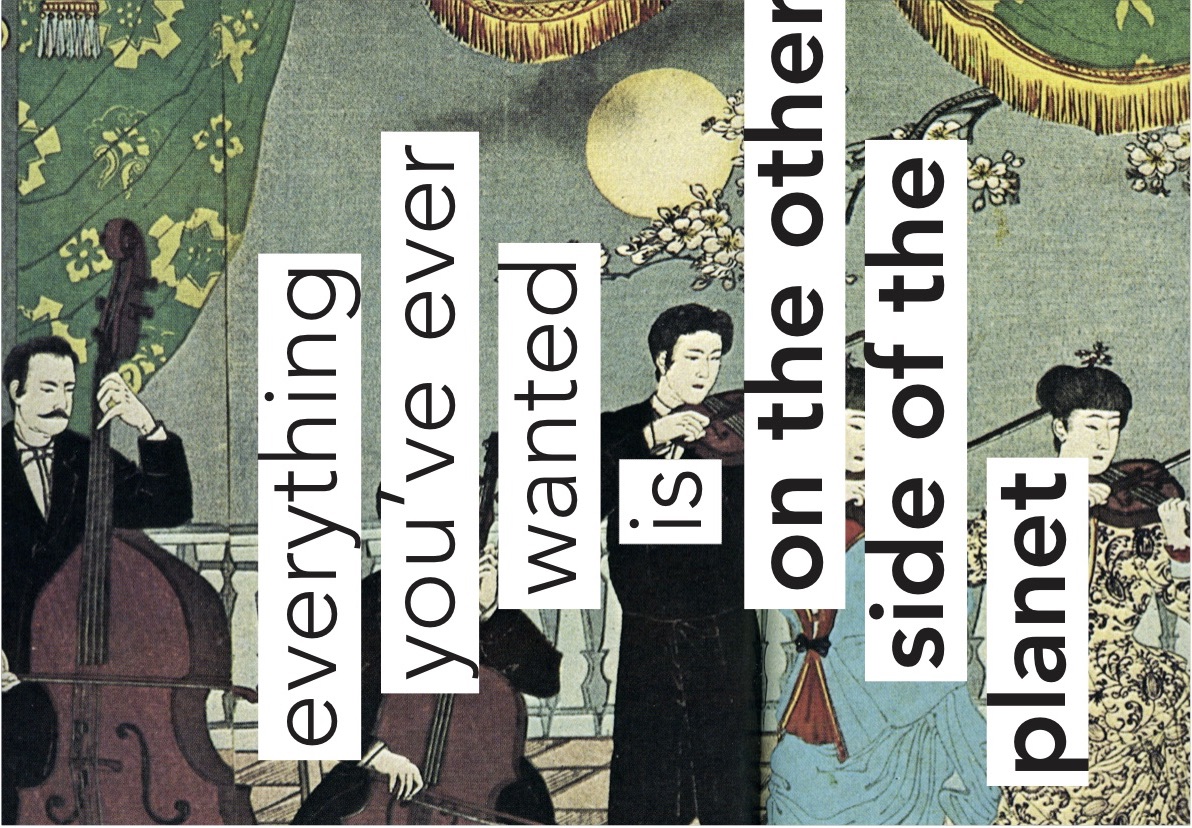
Everything you’ve ever wanted is on the other side of the planet
Online artist talk and walk through the exhibition (On 2nd Dec and 3rd Dec 2020)
Language: English and some Japanese with a translation
Participating artists (exhibition): Yu Araki, Oscar Cueto, Tetsugo Hyakutake, Kyun-Chome, Michikazu Matsune, Yoshinori Niwa, Lisl Ponger, Almut Rink, Kota Takeuchi, Kay Walkowiak, Pan Lu und Bo Wang, Zheng Yuan
For the window version: Sun Xun, Hikaru Suzuki
Curator: Hitomi Hasegawa
(The artists will participate the events, join the discussion, but not all of them for both dates)
Exhibition Venue: Angewandte Innovation Lab, Franz-Josefs Kai 3, Vienna, Austria
Opening ; Right after the lockdown (Currently only through the windows)
First episode:
-2nd Dec 2020 (Wed)
CET 1pm /Vienna
JST 9pm /Tokyo
HKT 8pm/Hong Kong, Beijing
Venue: Zoom
https://zoom.us/j/95268025064?pwd=WEJGMVBiTWlhYjVSNG5wSHJYanVrdz09
ID: 952 6802 5064
PIN: 559920
Artist talk: Lisl Ponger and Oscar Cueto
Plus walk through the 3D exhibition and talks by artists
Second episode:
-3rd Dec 2020 (Thu)
CET 2pm /Vienna
JST 10pm /Tokyo
HKT 9pm /Hong Kong, Beijing
Venue: Zoom
https://zoom.us/j/91494069663?pwd=bXBiS21CNzY3akgwcmVWbzBuZEF3UT09
ID: 914 9406 9663
Pin: 633526
Artist talk: Kota Takeuchi and Kyun-Chome
Plus walk through the exhibition and talks by artists
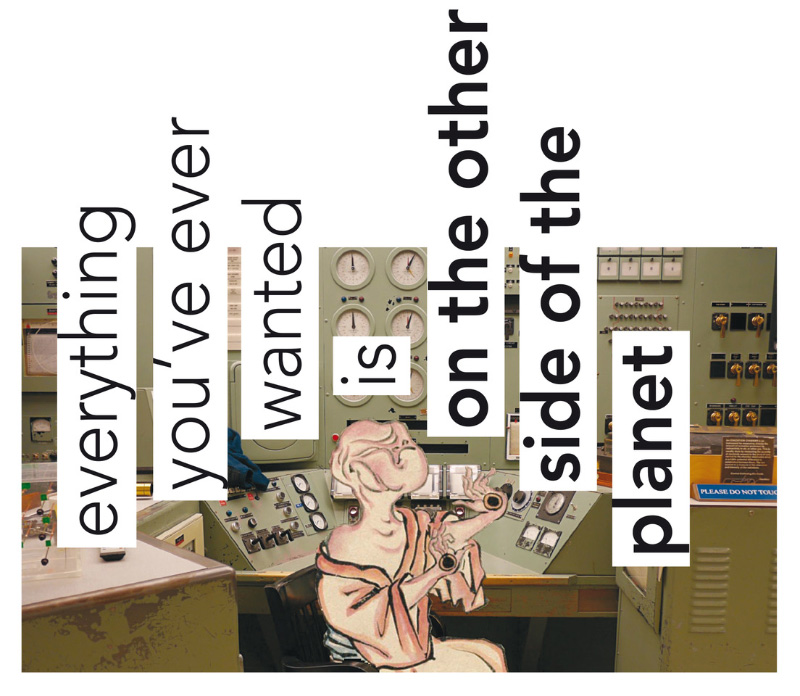
Film still from Kota Takeuchi, Blind Bombing Filmed by a Bat, 2019
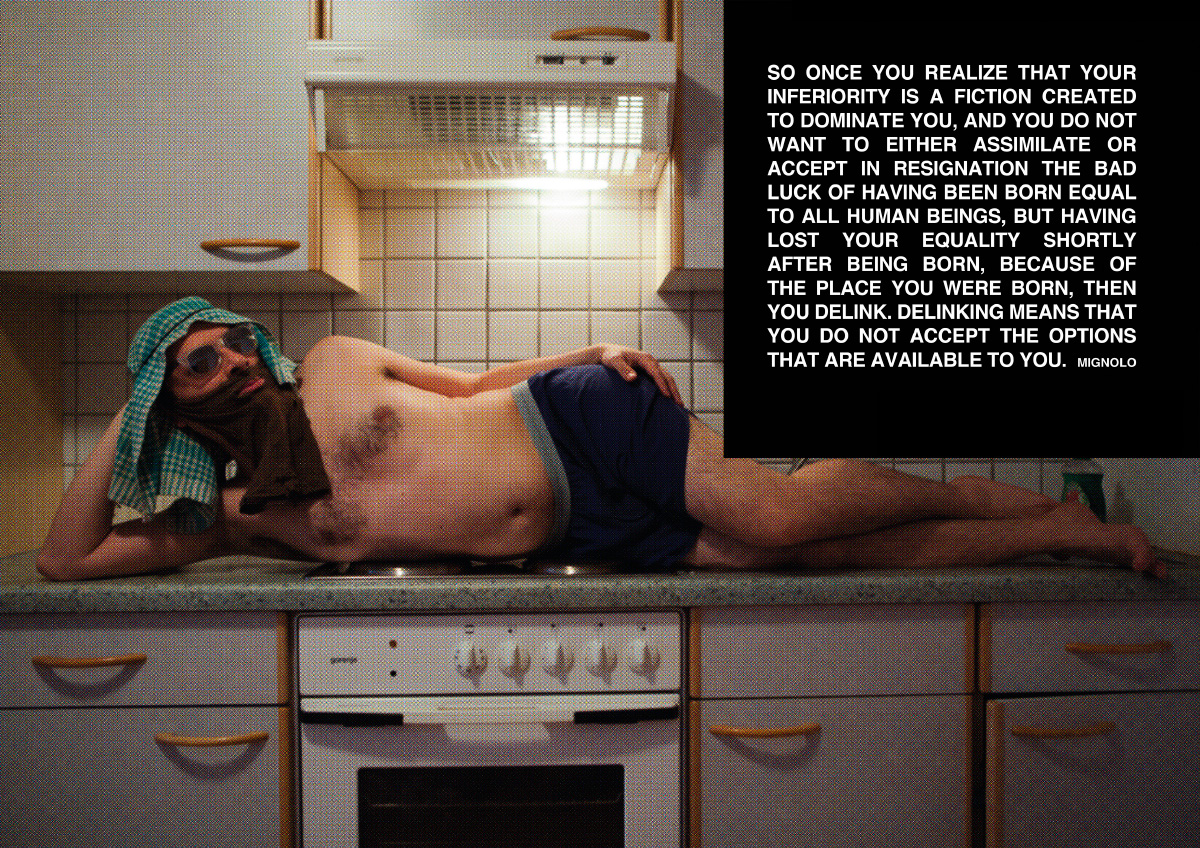
Oscar Cueto, Domestic Affairs, 2015-2018
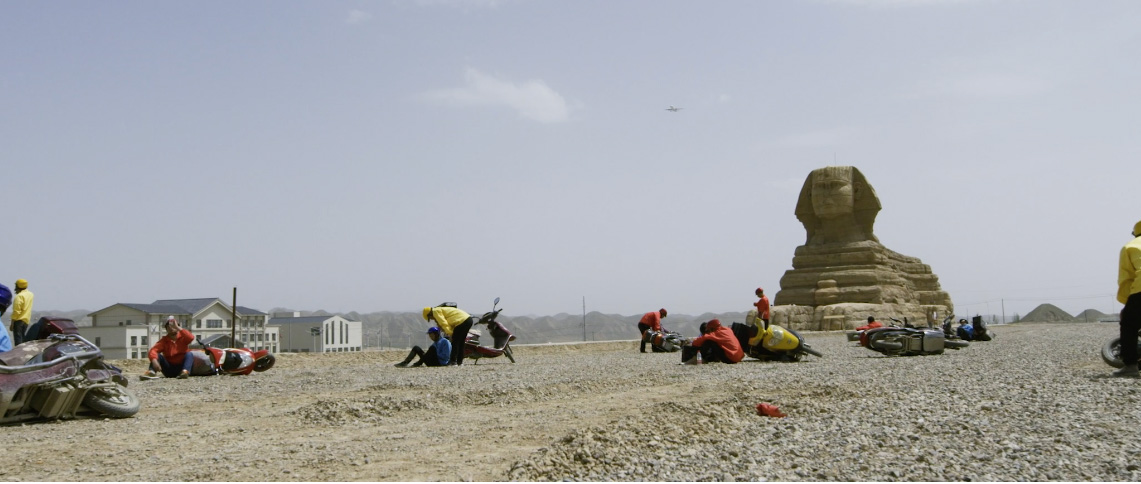
Zheng Yuan, Dream Delivery 2018
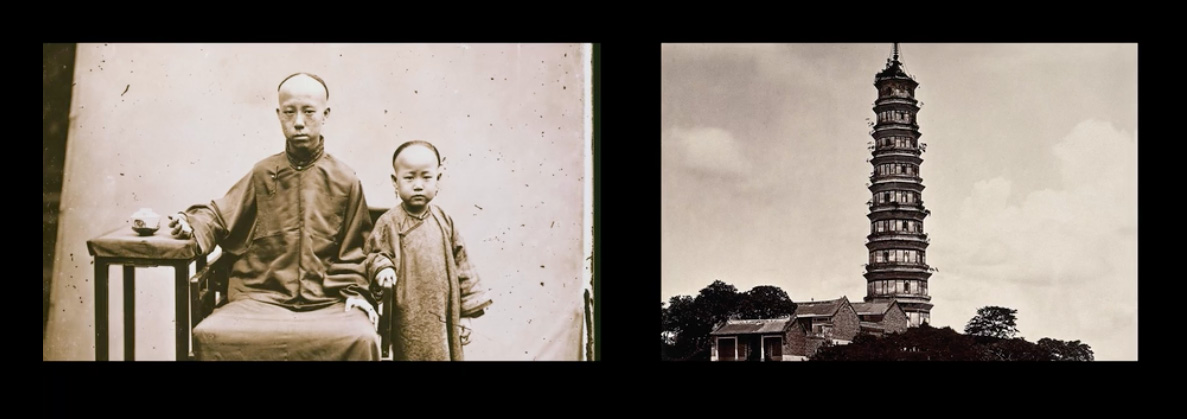
Video still, Pan Lu and Bo Wang , Miasma, Plants, Export Paintings, Color, sound, 28’00”, 2017
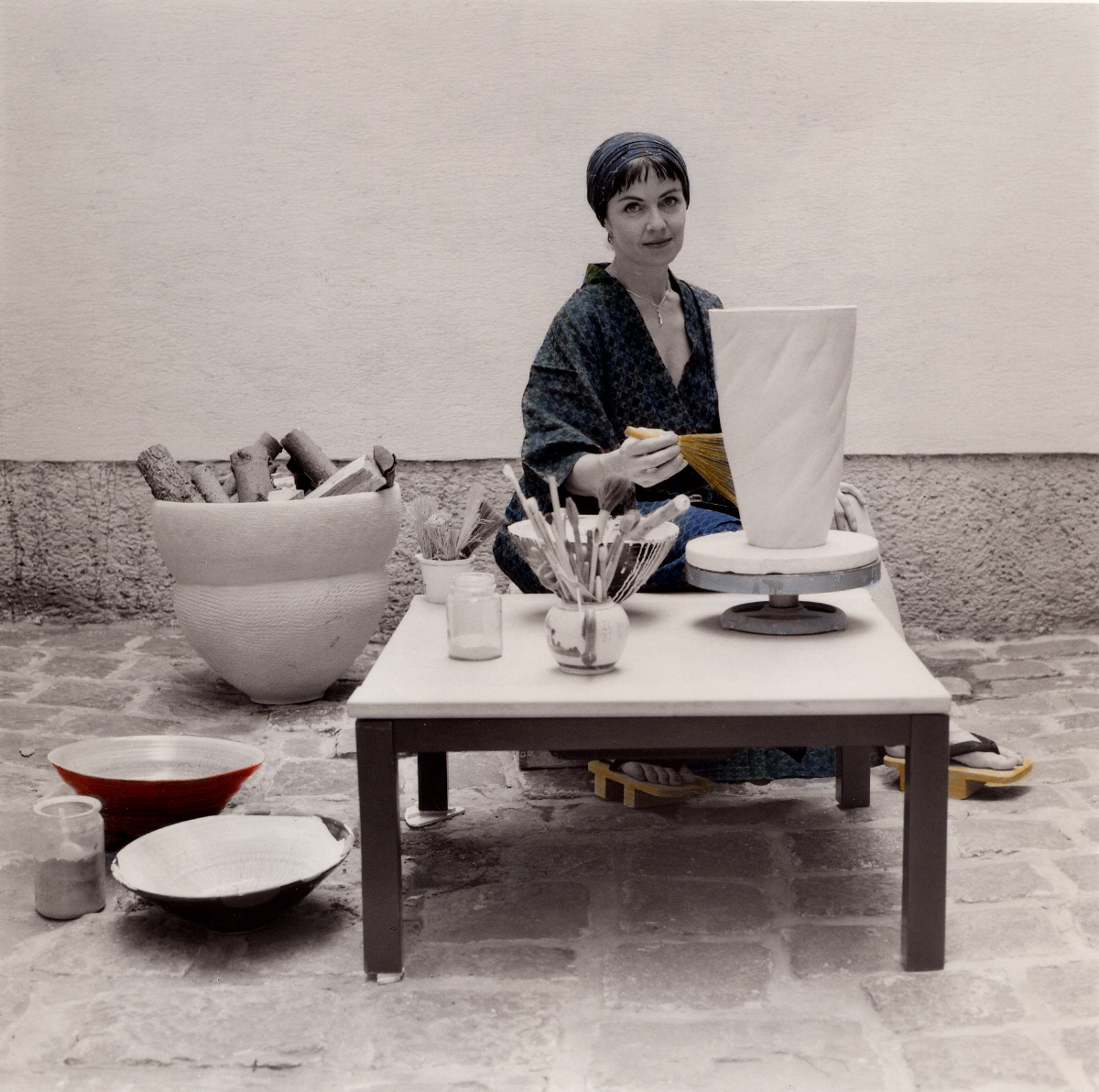
Lisl Ponger, The Japanese from Xenographic Views, B & W photo, 1995
Everything you’ve ever wanted is on the other side of the planet Exhibition in Vienna, Austria
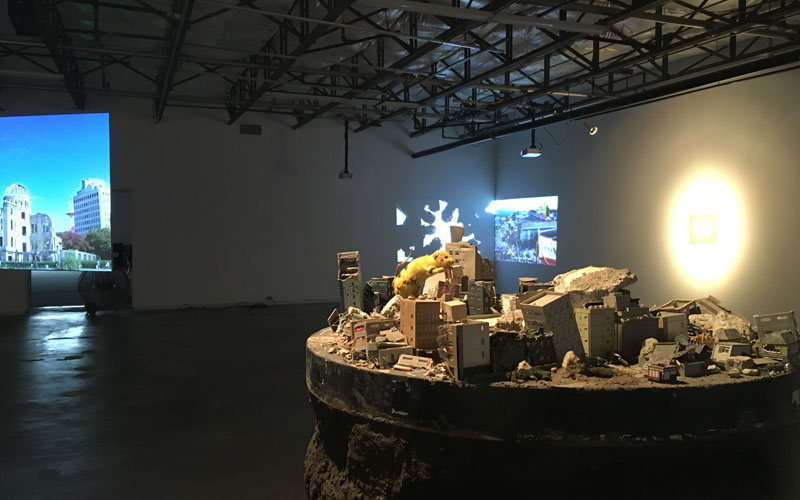
Angewandte Innovation Lab / Franz Josefs Kai 3 will present everything you‘ve ever wanted is on the other side of the planet featuring thirteen artists from Austria, Japan and China. The exhibition explores how one reacts against different culture, both an individual level and as nation-states. As current pandemic revealed xenophobic sentiment and racism, sometimes it results in vandalism and exploitation. On the other hand, some people love different culture so much and into maniac phase.
The project was postponed from April 2020 by the pandemic, and again wait for the opening due to the lockdown in Austria.
(Image: Film still from Kota Takeuchi, Blind Bombing Filmed by a Bat, 2019)
----
Exhibition Title: everything you‘ve ever wanted is on the other side of the planet
Venue: Angewandte Innovation Lab / Franz Josefs Kai 3
Franz Josefs Kai 3, 1010 Vienna, Austria
Tel: +43 1 711332007
http://www.ailab.at/upcoming/everything-youve-ever-wanted-is-on-the-other-side-of-the-planet-after-150-years-of-diplomatic-relations-between-austria-and-japan/
Open dates: Pre-open (Only through the windows ) 12th November 2020
Will open the door right after the lockdown in Vienna
Artists: Yu Araki, Oscar Cueto, Tetsugo Hyakutake, Kyun-Chome, Michikazu Matsune, Yoshinori Niwa, Lisl Ponger, Almut Rink, Motoyuki Shitamichi, Kota Takeuchi, Kay Walkowiak,
Pan Lu and Bo Wang, Zheng Yuan
Curated by Hitomi Hasegawa
Supported by:
POLA ART Foundation, Austrian Federal Chancellery, FRANZ JOSEFS KAI 3 sponsored by Franziska and
Christian Hausmaninger, Angewandte Innovation Laboratory, MIACA
Thanks to: Kadist Foundation Paris, Charim Gallery, Vienna
---
The COVID-19 outbreak has triggered bouts of racism and violence against Chinese and Asian people in Europe and elsewhere. Indeed, this pandemic has made xenophobic sentiments and racism more visible, as evidenced by the Black Lives Matter movement that followed the death of George Floyd.
Last year, Japan and Austria celebrated the 150th anniversary of their diplomatic relations and long-standing exchanges. The beginning of this partnership was marked by the 1869 Treaty of Amity, Commerce and Navigation. Despite this friendly celebration, this treaty perfected the unequal conditions that already existed between Japan and other Western countries due to the most-favoured-nation treatment. After this treaty, unfair articles, such as extraterritorial rights, were applied to Austria and other countries. The following five countries had an advantageous treaty with Japan: the United Kingdom, the United States, France, Russia and the Netherlands.
When we encounter a totally different culture, our reaction would be polarized. Some dislike it and try to ignore it, while others get curious and try to know more. Among these, some become obsessed, even manic in their appreciation of other cultures. It is generally these people who encourage mutual understanding between different countries. On the other hand, as this unfair treaty represents, desire and craving for Others and their prosperity often result in exploitation and vandalism. Some of the works of art in this exhibition can be understood as representations of how artists respond to power imbalances in interna- tional relationships under post-colonial and neo-colonial conditions and drastically different social and class backgrounds.
Following this commemorative year, the aim of the exhibition every- thing you’ve ever wanted is on the other side of the planet is to provide some illustrations of the contradictory feelings towards foreignness, political identity and post-colonial or post-war issues from the late 19th century to today. This project also deals with how artists interpret desire, passion and love for foreign cultures, artefacts and lands. Indeed, both are polarized emotions and reactions towards other cultures. Since human beings started to search for a New World, there have been numerous things that people want from the other side of the planet.
The subjects of the works include not only Austria and Japan but also Hong Kong, the United Kingdom, Mexico, Brazil, China and the United States.

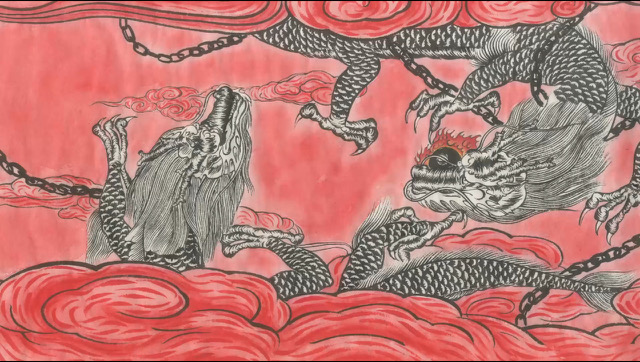
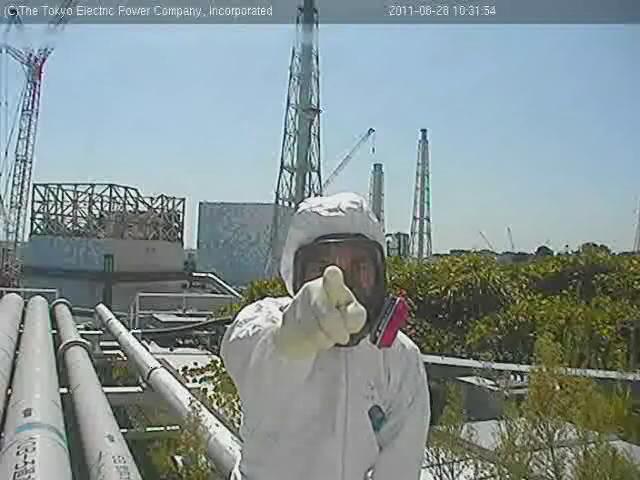
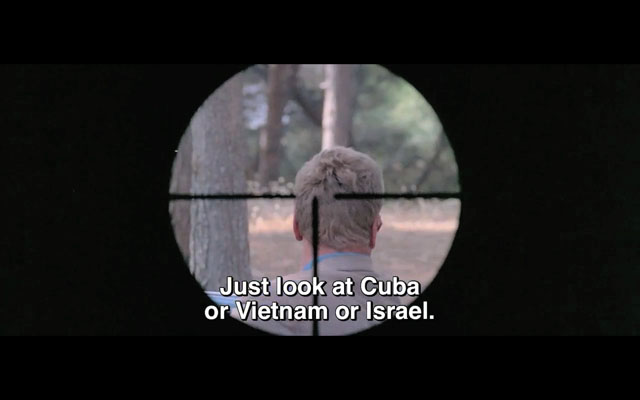
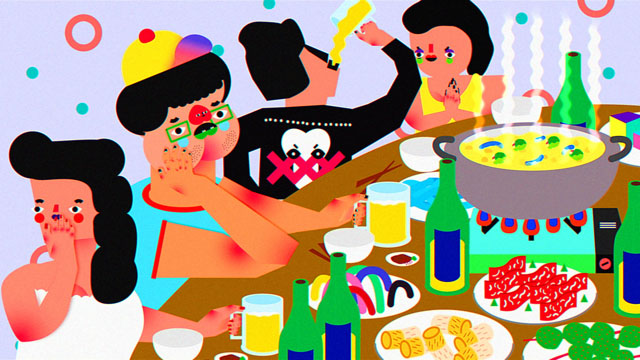
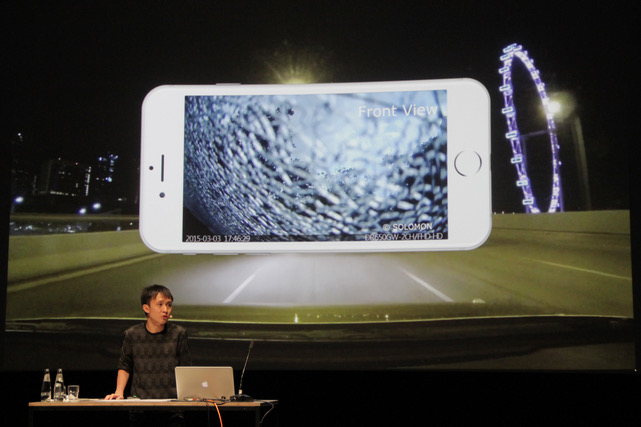
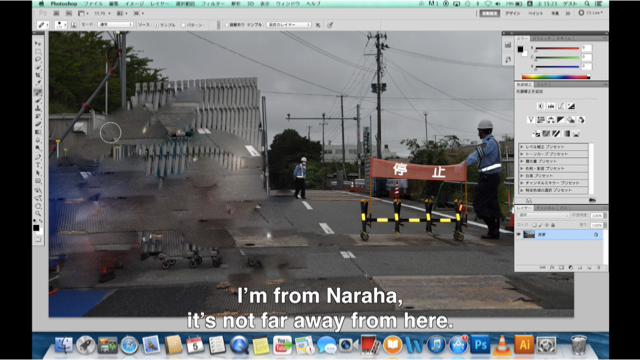
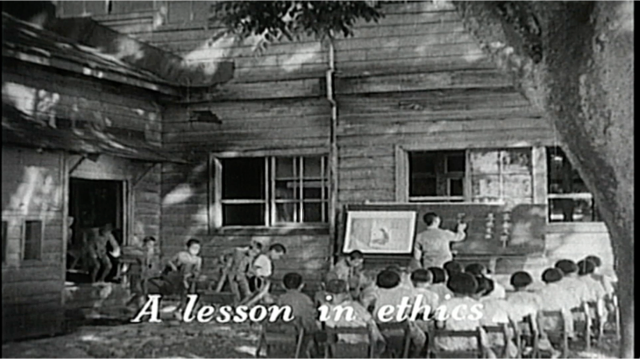
Still Images (from the top):
Sun Xun,
Finger Pointing Worker,
Nguyen Trinh Thi,
Wong Ping,
Ellen Pau,
Ho Rui An,
Kyun Chome
Hikaru Fujii
Courtesy of images by artist
Invisible Cities -Asian Moving Images
The Crow Collection of Asian Art, Dallas Contemporary, and the Moving Image Archive for Contemporary Art: MIACA (Hong Kong), are pleased to announce to co-organize Invisible Cities, an exhibition, performances, talks, discussions, the facade installations and screening series that showcases more than twenty contemporary video works by renowned and emerging artists from China, Japan, Hong Kong, the Philippines, Singapore, South Korea, Taiwan, Thailand, Myanmar, and Vietnam. Seen together as a series of video installations and screenings at Dallas Contemporary and at the Crow Collection of Asian Art, these pivotal artistic works outline recent developments in the moving image art in Asia.
Date: 28th Sep. 2017 - 17th December 2017
Venues: Dallas Contemporary Crow Museum of Asian Collection
http://www.dallascontemporary.org/current-exhibitions.html#ce1
http://crowcollection.org/exhibition/invisible-cities/
Participating artists and collectives:
Akita, JAPAN: Tadasu Takamine
Bangkok, THAILAND: Taiki Sakpisit
Beijing, CHINA: Sun Xun
Berlin, GERMANY: Ming Wong
Fukushima, JAPAN: Bontaro Dokuyama, Finger Pointing Worker + Kota Takeuchi (Editor/artist)
Guangzhou, CHINA: Zhou Tao
Hanoi, VIETNAM: Nguyen Trinh Thi
Hong Kong, S.A.R.: Come Inside, Ellen Pau, Leung Chi Wo, Wong Ping
Manila, PHILIPPINES: Martha Atienza
Paris, FRANCE: Momoko Seto
Seoul, SOUTH KOREA: Lim Minouk
Singapore, SINGAPORE: Ho Rui An, Ho Tzu Nyen
Tainan, TAIWAN: Kai-Chun Chiang
Tokyo, JAPAN: Yu Araki, Chim↑Pom, Kyun Chome, Hikaru Fujii
Yangon, MYANMAR: Moe Satt
#InvisibleCitiesDallas
Curated by: Jacqueline Chao (Crow Collection), Lilia Kudelia (Dallas Contemporary), Hitomi Hasegawa (MIACA)
Invisible Cities Full Programs
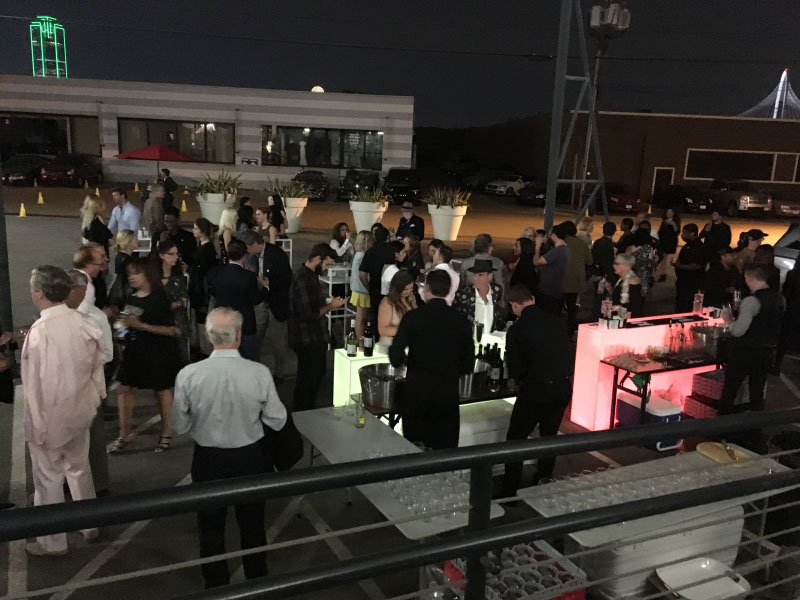
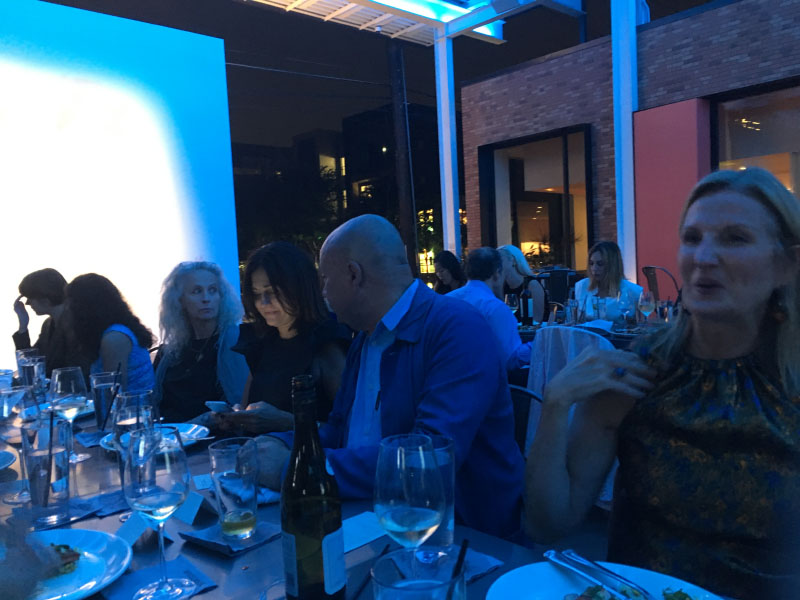
6pm Sept. 28, 2017 – Invisible Cities exhibition opening reception at Dallas Contemporary
Sept. 28 – Dec. 17, 2017
Chim↑Pom solo exhibition Non-Burnable
Responding instinctively to contemporary events, Chim↑Pom continuously creates works that intervene in society with strong social messages. Their exhibition Non-Burnable, part of the Invisible Cities project, spotlights the decade-long artistic career of the Tokyo-based collective. In their multidisciplinary practice, the artists examine themes of inheritance, survival, and co-existence by responding to environmental and political circumstances.
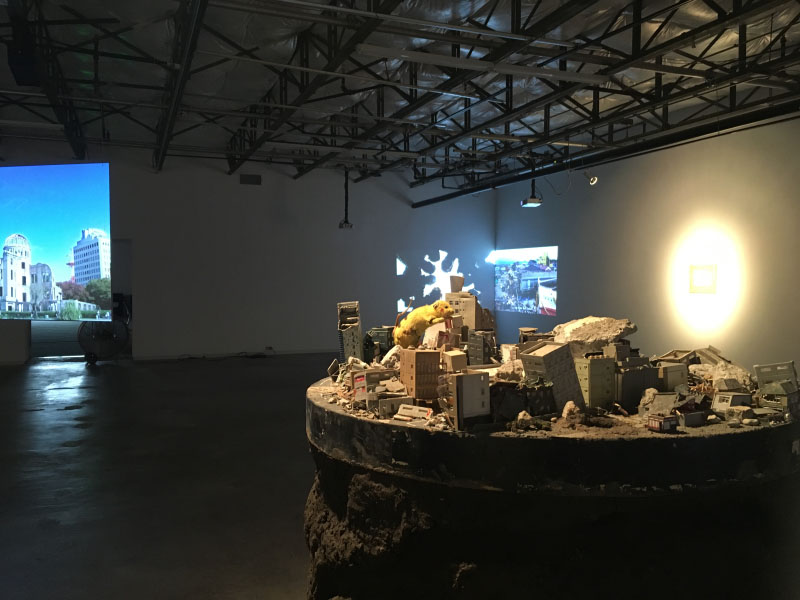
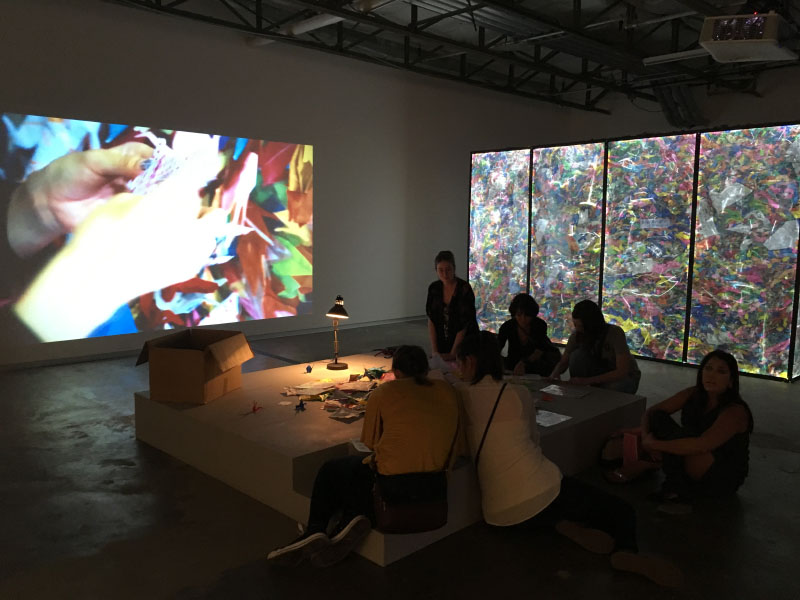
Sept. 28 – Oct. 22, 2017
Screening Program: Body and Memory
“...the people who move through the streets are all strangers. At each encounter, they imagine a thousand things about one another; meetings which could take place between them, conversations, surprises, caresses, bites. But no one greets anyone; eyes lock for a second, then dart away, seeking other eyes, never stopping…”
(Italo Calvino, Invisible Cities 1972)
Featuring works by Martha Atienza, Hikaru Fujii, Lim Minouk, Ho Tzu Nyen, Wong Ping, Taiki Sakpisit, Nguyen Trinh Thi
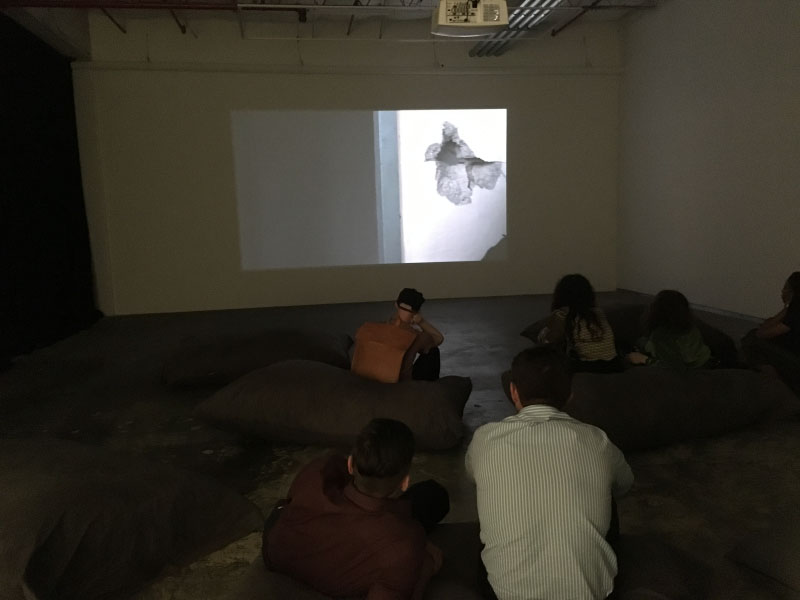
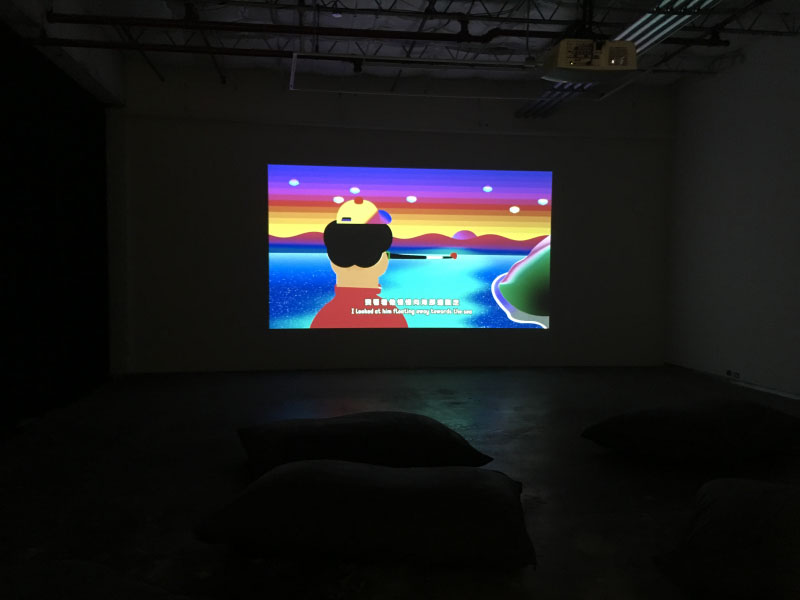
Sept. 28 – Oct. 15, 2017 – Moe Satt “Hands Around In Yangon” installation on view at the Crow Collection of Asian Art, Flora street windows
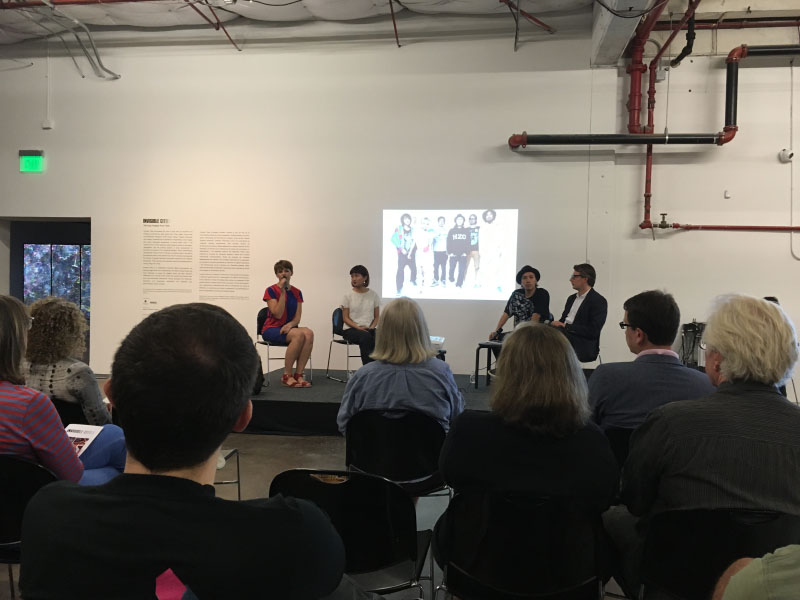
Sept. 30, at 2 pm – Chit chat with Chim↑Pom collective about their exhibition at Dallas Contemporary moderated by Jason Waite, independent curator, and Lilia Kudelia, Dallas Contemporary Assistant Curator
***Free admission
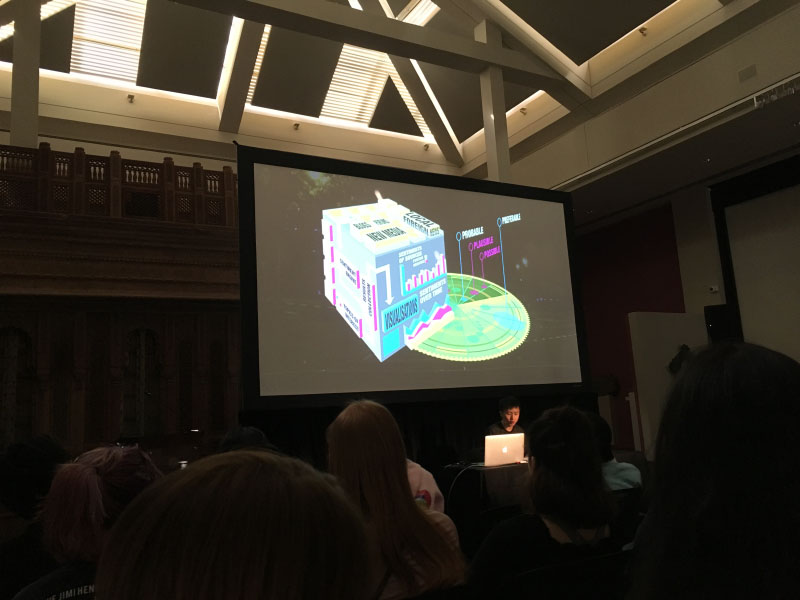
Oct. 14, at 11:30-12:30 the Artist 2 Artist Brunch
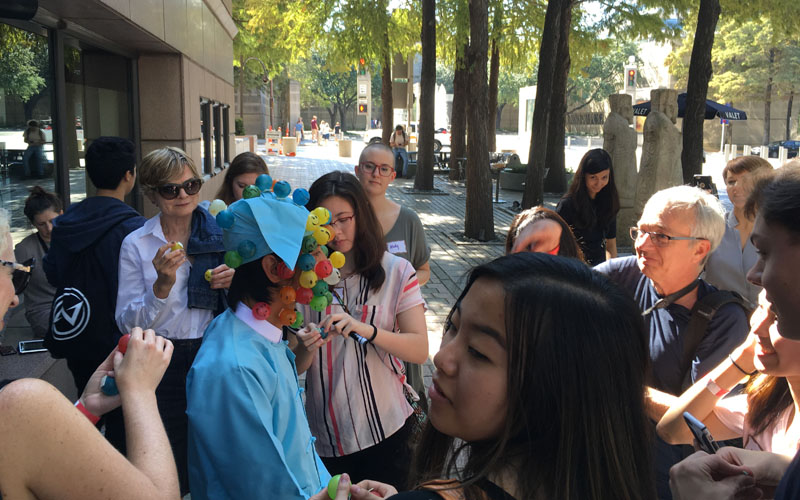
Brunch and workshop together with the Invisible Cities artists, curators!
http://crowcollection.org/ai1ec_event/artist-2-artist-brunch/?instance_id=
Oct. 14, at 1 pm – 6 pm Invisible Cities Forum at the Crow Collection of Asian Art, Grand Gallery, and Crow Collection Annex + Art District Dallas
Will feature an exclusive screening and talk by Ho Tzu Nyen, performances by Moe Satt, Ho Rui An and Come Inside, and a panel discussion with the Invisible Cities curators.
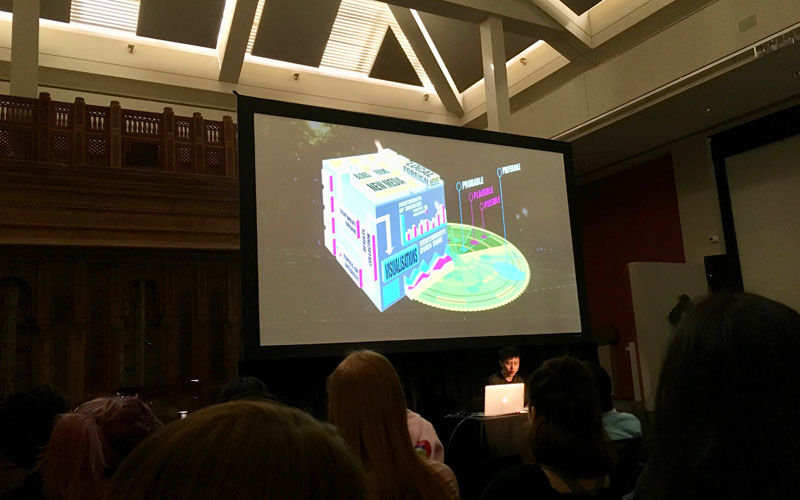
The Invisible Cities Forum is an exhibition in the form of an all-day gathering that will feature lectures, performances, and lively discussions that will underscore current practices and initiatives in the moving image art of Asia. This forum will feature an exclusive screening and talk by Ho Tzu Nyen, live performances and Q&As with Moe Satt, Ho Rui An, and Come Inside, and a panel discussion led by the Invisible Cities curators.
Flier download;
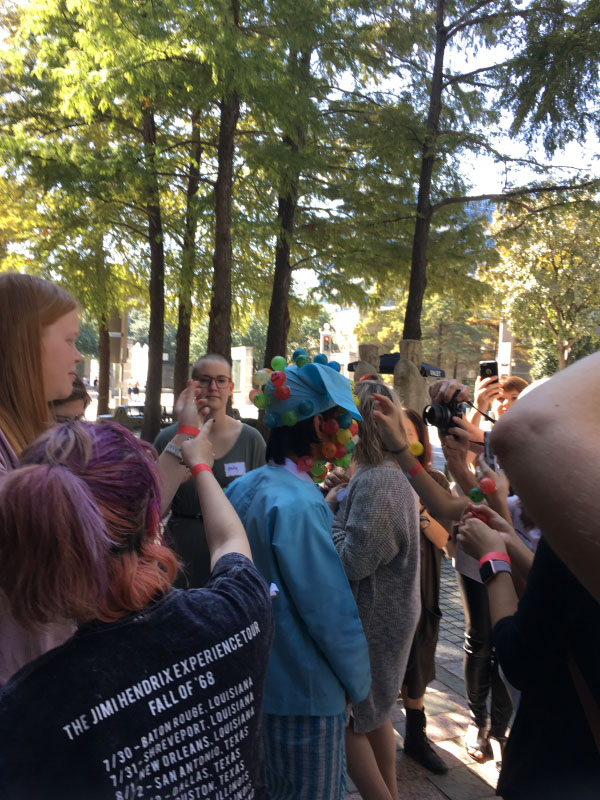
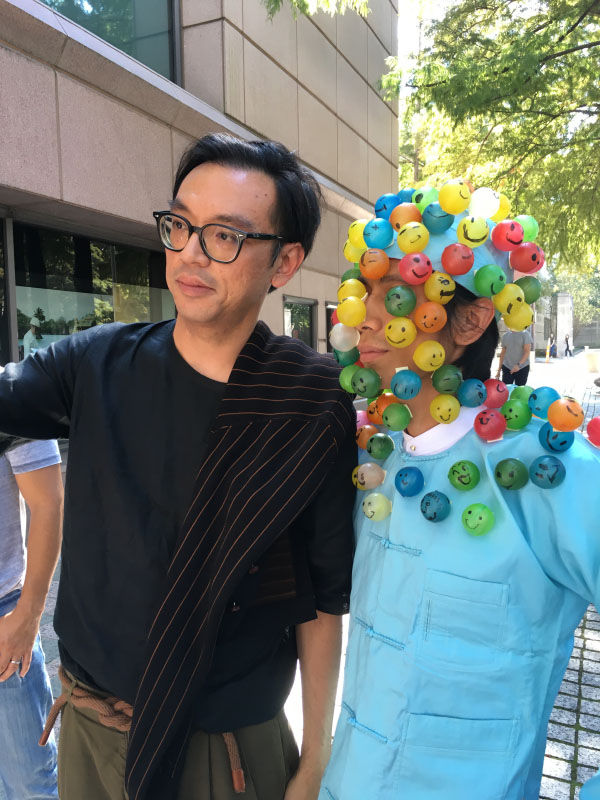
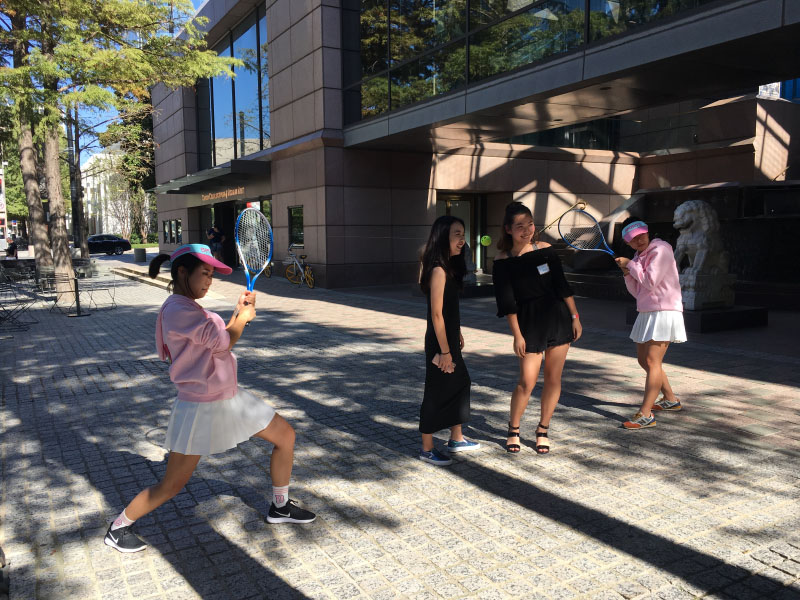
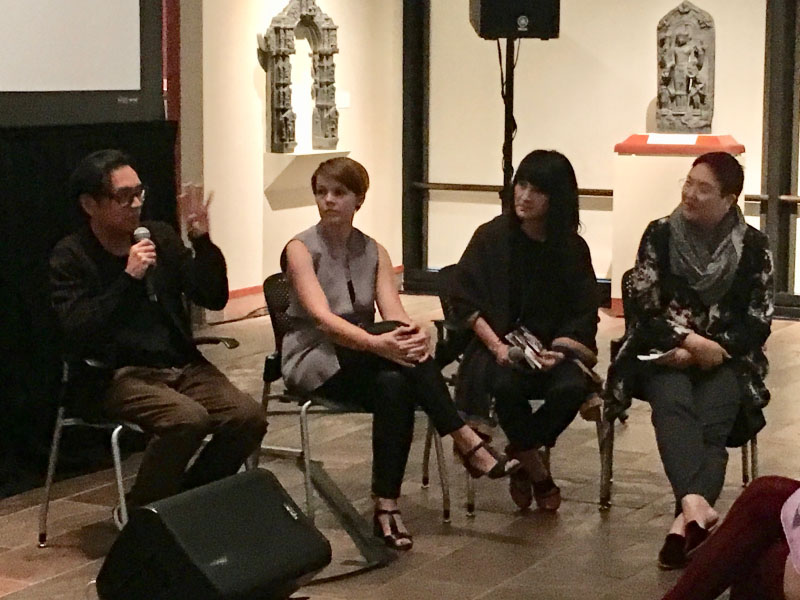
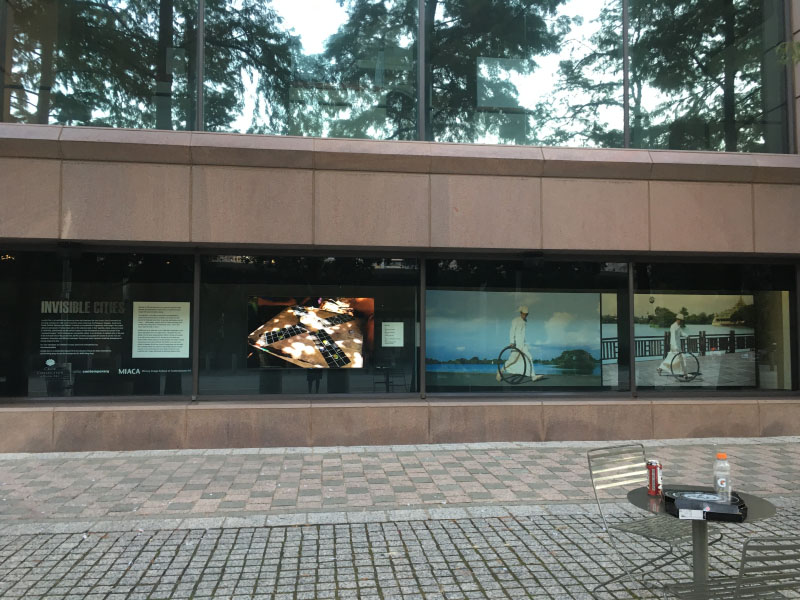
Oct. 17 – Oct. 29 – Ming Wong “After Chinatown” installation on view at the Crow Collection of Asian Art, Flora street windows
images;
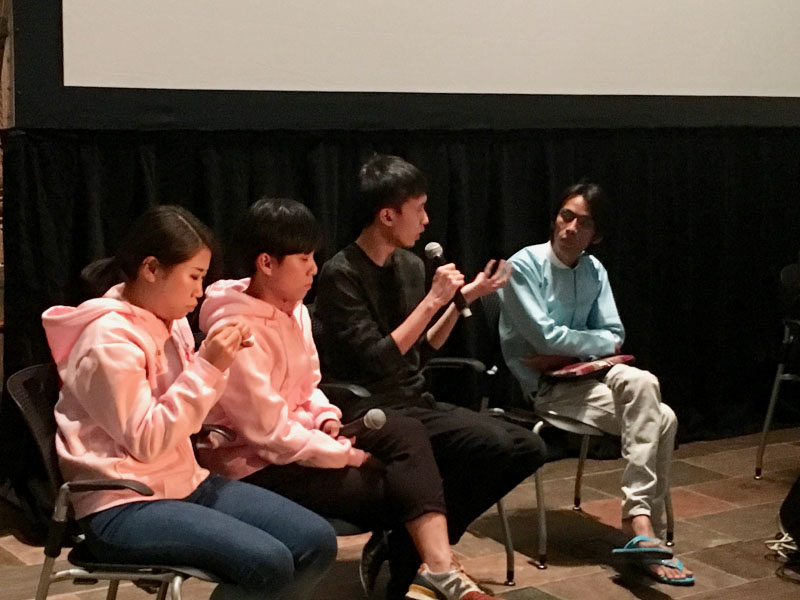
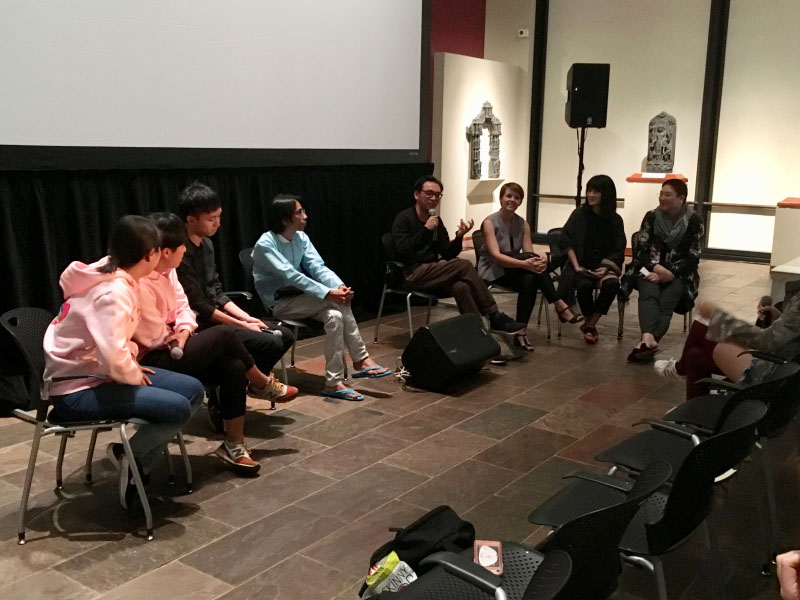
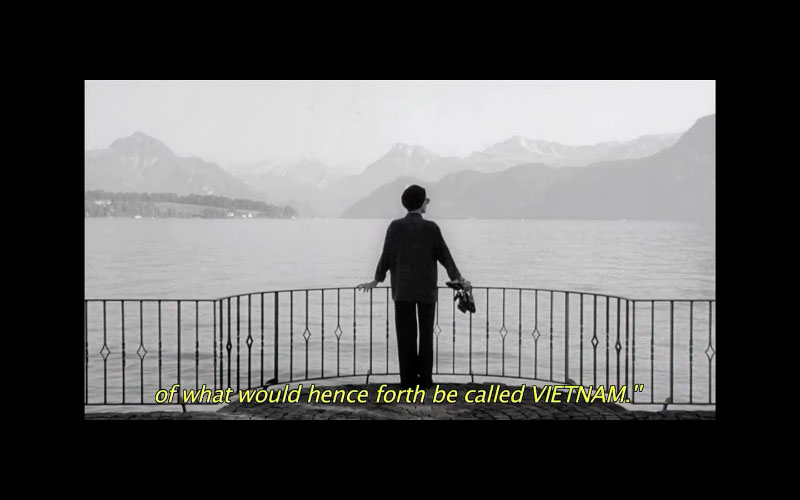
Oct. 24 from 6:30-8:30 pm – Exclusive screening of Nguyen Trinh Thi’s short films Letters from Panduranga (2015) and Vietnam The Movie (2016) at the Crow Collection of Asian Art, Grand Gallery
***Free admission for Members of the Crow Collection of Asian Art and Dallas Contemporary. Seating is limited.
Oct. 24 – Nov. 19 – Invisible Cities exhibition at Dallas Contemporary
Screening Program: City Landscapes
“Cities, like dreams, are made of desires and fears, even if the thread of their discourse is secret, their rules are absurd, their perspectives deceitful, and everything conceals something else.”
(Italo Calvino, Invisible Cities 1972)
Featuring works by Yu Araki, Leung Chi Wo, Kai-Chun Chiang, Ellen Pau, Moe Satt, Zhou Tao, Sun Xun
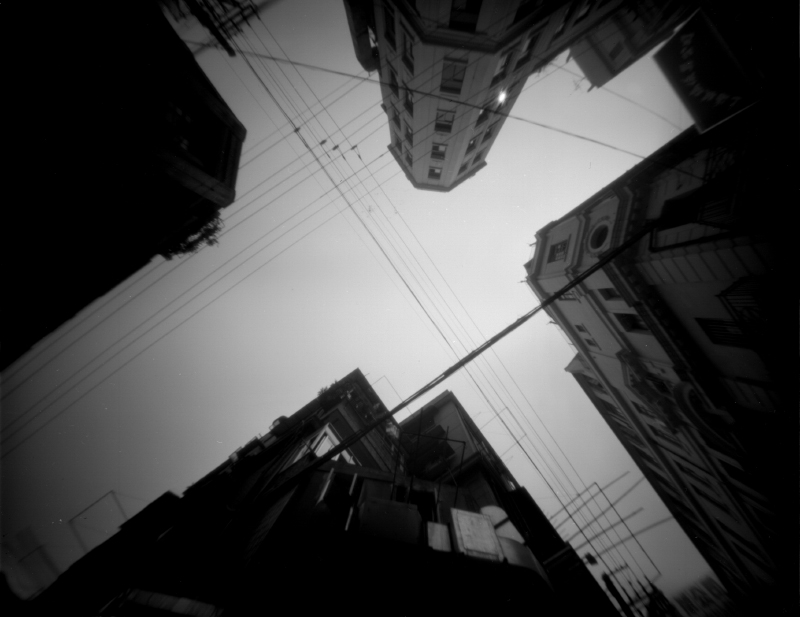
Nov. 21 – Dec. 17 – Invisible Cities exhibition at Dallas Contemporary
Screening Program: Fukushima
“The inferno of the living is not something that will be; if there is one, it is what is already here, the inferno where we live every day, that we form by being together. There are two ways to escape suffering it. The first is easy for many: accept the inferno and become such a part of it that you can no longer see it. The second is risky and demands constant vigilance and apprehension: seek and learn to recognise who and what, in the midst of inferno, are not inferno, then make them endure, give them space.”
(Italo Calvino, Invisible Cities 1972)
Featuring works by Kyun Chome, Bontaro Dokuyama, Chim↑Pom, Momoko Seto, Tadasu Takamine, Finger Pointing Worker + Kota Takeuchi (editor)
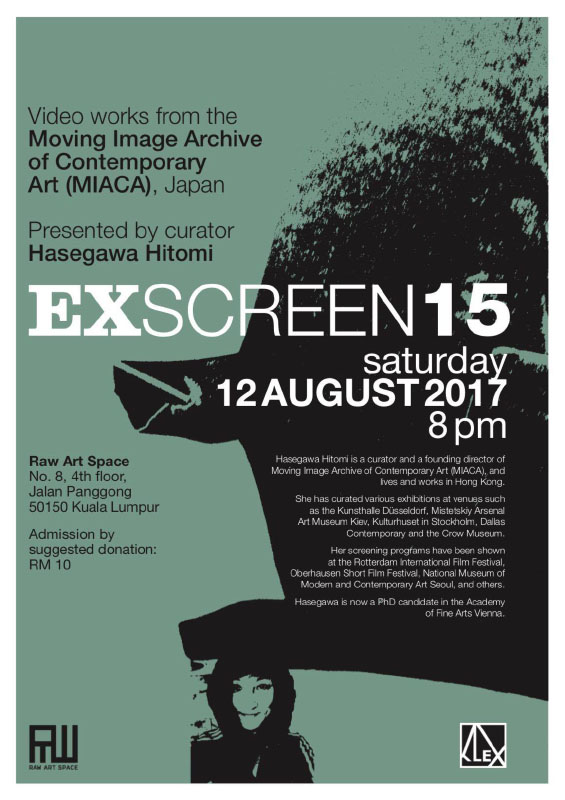
EXscreen 15
Siew-wai Kok of Klex kindly host our screening in Kuala Lumpur, at the Raw Art Space.
Hitomi Hasegawa will visit and do screening and talk.
Artists: Kyun Chome, Bontaro Dokuyama, Nobuaki Ito, Aya Momose
Date: Sat 12th August 2017, 8 pm
Venue: Raw Art Spaceo8, 4F, Japan Panggong, 50150 Kuala Lumpur
Admission: suggested donation RM10
https://www.facebook.com/rawartspacekl/
Host: Klex
http://www.klexfilmfest.com
KNOCK – Videos and films on the genealogy of socially engaged art in Asia
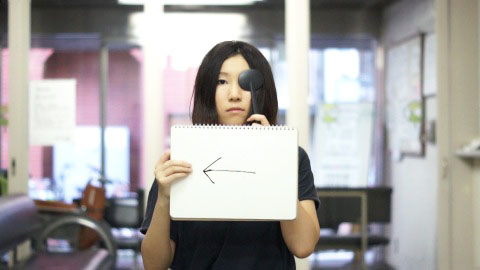
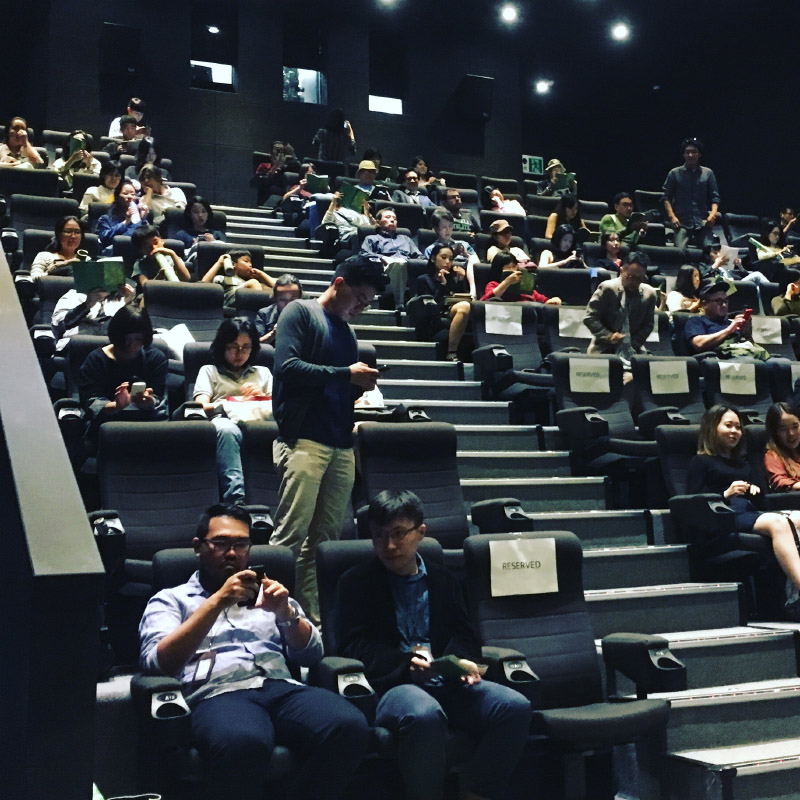
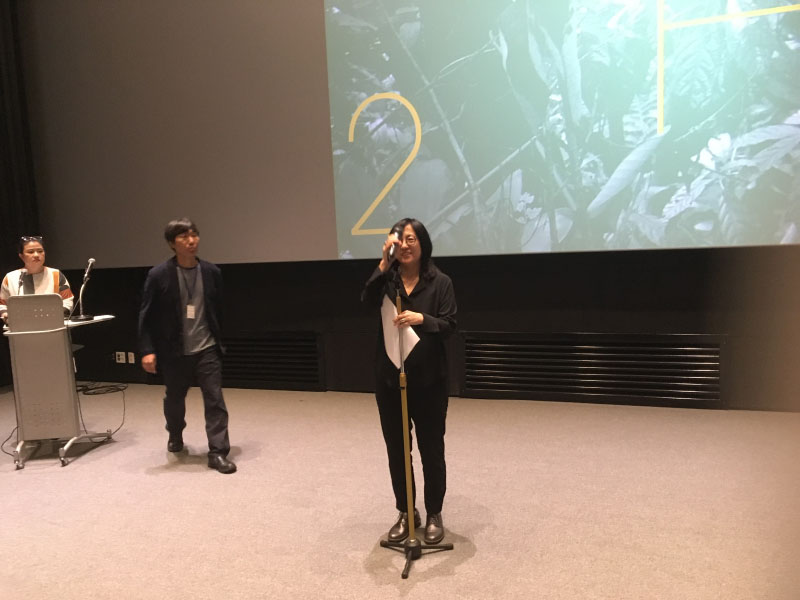
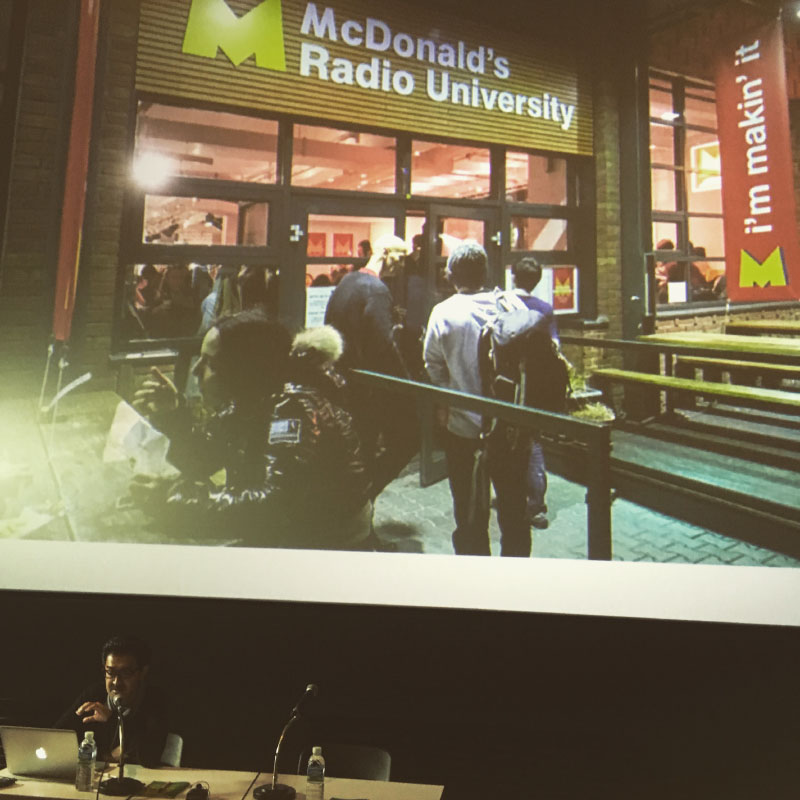
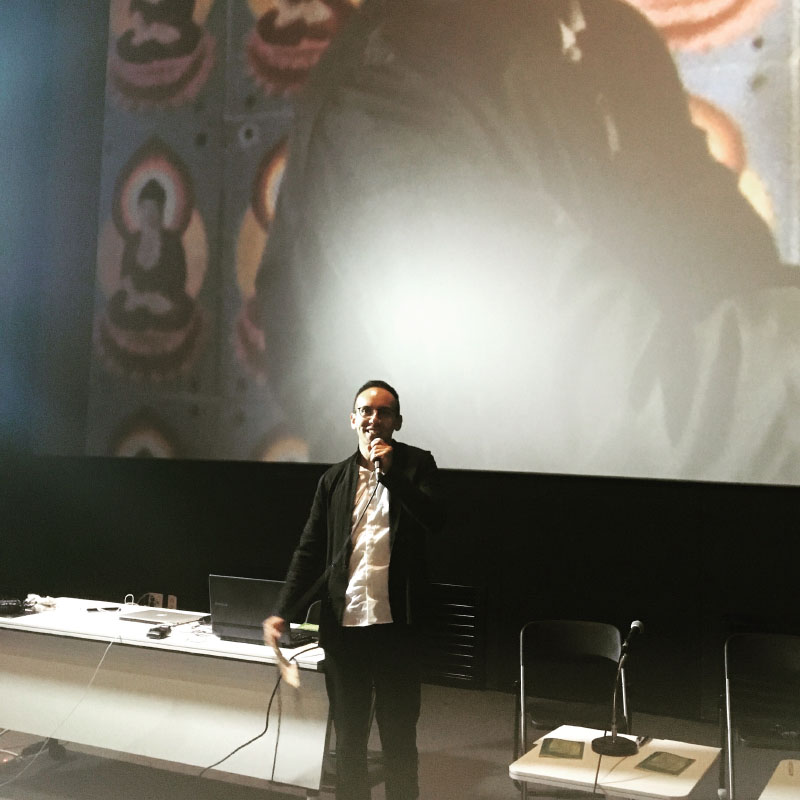
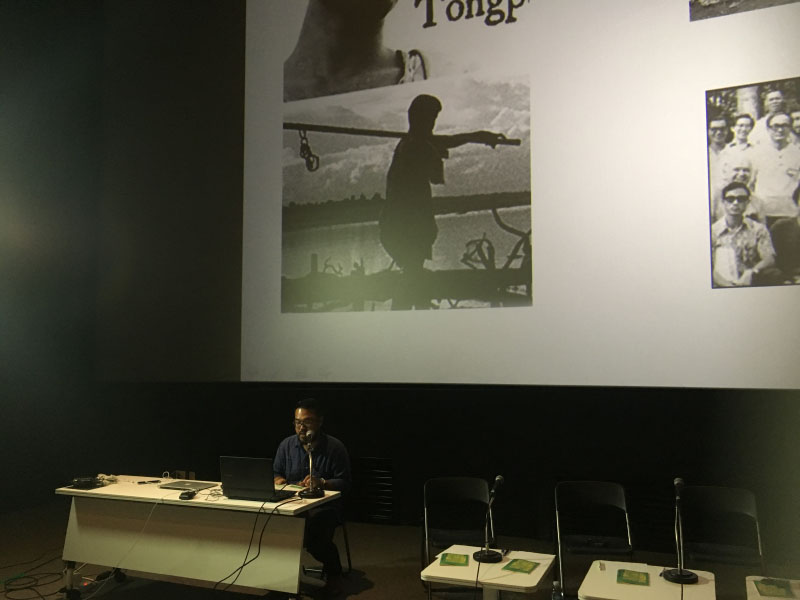
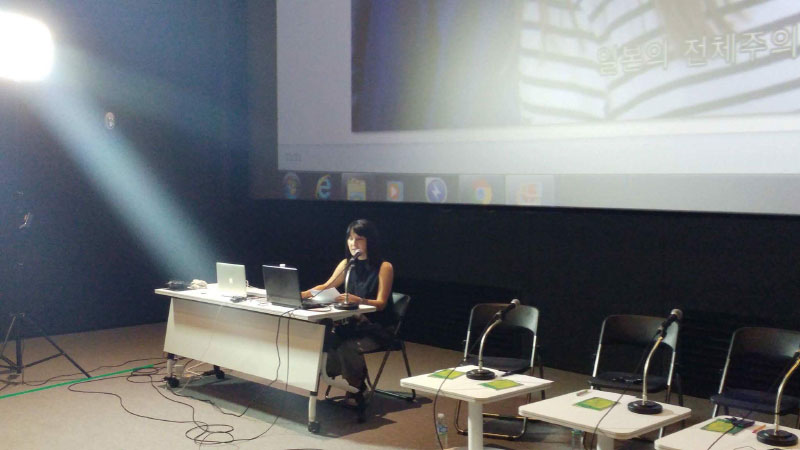
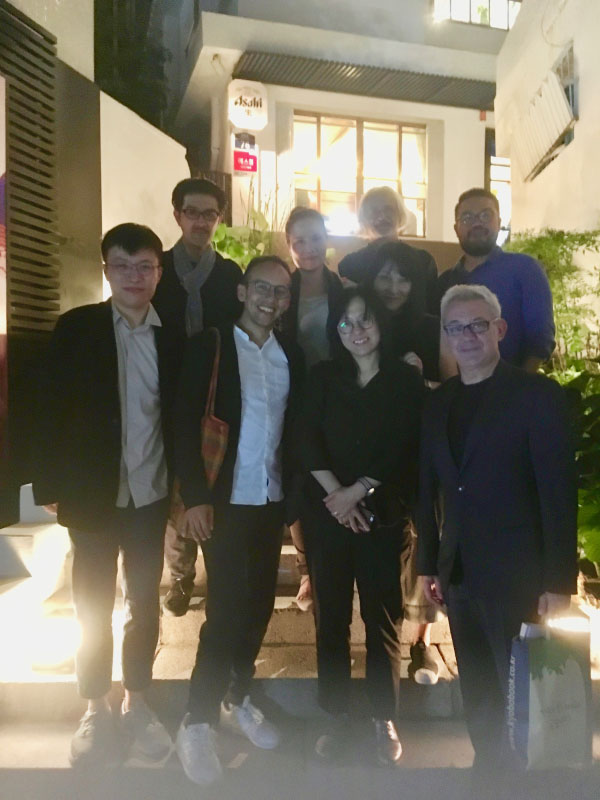
MIACA is delighted to present the project KNOCK explores the genealogy of socially engaged art and social practice in Asia, focusing on film and video art. KNOCK includes both historical films that deal with society, and contemporary community-based art videos and artists’ documentaries that explore the seeds of today’s social practice.
Date of screening: 30th August to 8th October, 2017
Symposium: 2nd September, 2017
Venue: MMCA Museum of Modern and Contemporary Art, Seoul, Korea
Any artwork can be social, even if it explores an artist’s own inner emotions or pursues a purely symbolic or aesthetic expression. However, works that actively interact with the community or document social issues can be distinguished from those focusing solely on visual language.
Recently, the terms ‘socially engaged art’ or ‘social practice’ have been circulated in the contemporary art field. Socially engaged art relies on ‘social intercourse as a factor of its existence.’[1] It requires working collaboratively through social and participatory forms.[2] Socially engaged art can fall into the category of social practice. There is a range of different names: relational art, community art, new-genre public art, and participatory art, among others. This kind of art articulates the realization of derivative democracy, social inclusion, art-activism and so on. We can see early examples of socially engaged art in the New York exhibition Living as Form: Socially Engaged Art from 1991–2011, curated by Nato Thompson in 2011[3].
According to Pablo Helguera[4], the term ‘socially engaged art’ emerged in the mid-1970s, and has its roots in the United States during the late 1960s. Its genealogy goes back to avant-garde and conceptual art. In the 1960s, social movements led to the emergence of performance art and installation art concerned with process and site-specificity. Video art emerged slightly later, in the 1970s. Since then, many artists and filmmakers have become more aware of social issues, and art has become more and more socially and regionally context-based. Now, we see social practice as a concrete area of contemporary art.
Today, socially engaged art or social practice is part of the norm in Asian contemporary art scene. There are numerous discussions surrounding it, as well as platforms to showcase it, such as Projects on Socially Engaged Art in Asia at Shanghai Rockbund Museum[5] in 2013, Social Practice Lab in Asian Arts Initiative in Philadelphia[6] and the Digital Archive of Chinese Socially Engaged Art in the City University of Hong Kong, initiated by Bo Zheng[7]. There was a large academic conference, Socially Engaged Art in Japan, in Seattle in 2015[8]. SEA Research Lab was established in 2015, and had an exhibition in 2017 in Tokyo.
However, if we think about the relationship between art and society, socially engaged art is not entirely new for artists and filmmakers. We can find many early examples of attempts to intervene in or create community, seeking derivative democracy through art practices. In addition, socially engaged art is often performative, since it directly engages with a specific social situation. Thus, it is highly affinitive to using moving images as part of its output. Many social practice artworks therefore use video as a part of the works themselves.
The project KNOCK explores the genealogy of socially engaged art and social practice in Asia, focusing on film and video art. Although early video art and experimental films of the 1960s often concentrated more on the aesthetic or time-based features of video, there have historically been many video works that deal with societal issues, with a focus on documenting real life. KNOCK includes both historical films that deal with society, and contemporary community-based art videos and artists’ documentaries that explore the seeds of today’s social practice.
The project does not aim to comprehensively cover socially engaged art videos in Asia; rather, it attempts to collect and showcase moving image works that deal with society, activism and democracy, in both the film and contemporary art fields in Asia.
To realize this program and symposium, five curators/programmers from different Asian countries have worked together. They are either from the film or the art field.
Knock is the title of a controversial 1975 city play by Shuji Terayama. Terayama invented ‘city plays’ in 1970. Audiences would purchase a map, which directed them to interventions held at 18 different locations across the Asagaya neighborhood of Tokyo. The plays were implemented for 30 hours in different public/private spaces, involving numerous citizens and members of the general public. At times, these interventions happened in residential areas, which led to local citizens alerting the police. This was an early attempt at conducting the plays (art) within the community, and let many audience in the roles of the plays, it was quite close to social practice, as many people participated with or without their knowledge. Terayama’s aim for the project, as indicated in its title, was to “knock” on the closed doors (in both literal and psychological terms) of the local residents[9].
We hope that the KNOCK project can showcase Asian video artists’ and filmmakers’ expressions related to society, and indicate a loose chronological and geographical lineage of socially engaged art. As Terayama intended, we hope that the project knocks on the audience’s minds in Seoul, where many social and political issues are continuously presenting themselves.
Curators:
Inti Guerrero
Eunhee Kim
Wiwat Lertwiwatwongsa
Xin Zhou
Hitomi Hasegawa
Schedule
-Opening reception: 30th Aug 2017 4pm
Opening films: The Meaning of Style, A Cart of Coals, Like We are not Here
-Lecture: 2nd September 2017, 2 pm
Akira Takayama presentation moderated by Hitomi Hasegawa
-Symposium; 2nd September 2017 4pm
Panels: Inti Guerrero, Hitomi Hasegawa, Kin Eunhee, Wiwat Lertwlwatwongsa, , Anand Patwardhan, Akira Takayama, Xin Zhou
-Artist talks
3rd September 2pm Anand Patwardhan
6th September 5pm Jung Yoonsuk
9th September 6:30pm Kang Sang-woo
13th September 5pm Gina Kim
15th September 2pm Au Sow-Yee
16th September 3pm Jang Minseng
20th September 4pm Lee Hyuk-sang
-Screening of 15hours work by Wang Bing is included the program
The list of the artists and whole programs can be downloaded from here (PDF, 10MB)
[1] Pablo Helguera, Education for Socially Engaged Art, Jorge Pinto Books Inc., 2011
[2] Gregory Sholette , After OWS: Social Practice Art, Abstraction, and the Limits of the social http://www.e-flux.com/journal/31/68204/after-ows-social-practice-art-abstraction-and-the-limits-of-the-social
[3] Yates McKee, Occupy and the End of Socially Engaged Art, e-flux journal #72, 2016 http://www.e-flux.com/journal/72/60504/occupy-and-the-end-of-socially-engaged-art/
[4] Pablo Helguera, Education for Socially Engaged Art, Jorge Pinto Books Inc., 2011
[5] http://www.rockbundartmuseum.org/en/event/overview/e7dgrB
[6] http://asianartsinitiative.org/programs/social-practice-lab
[7] https://networks.h-net.org/node/22055/links/167514/digital-archive-chinese-socially-engaged-art
http://seachina.net/seachina-intro.html
For some examples in China, please see; http://arthubasia.org/project/situating-socially-engaged-art-in-china-by-zheng-zhuangzhou
[8] https://sites.google.com/a/uw.edu/seajapan/home
[9] http://www.t-time.jp/Terayama/eizo/eizo_01.html video: https://www.youtube.com/watch?v=WmsW51ew-ao
http://www.watarium.co.jp/exhibition/1307terayama/
Underground Theater, July issue (#7) 1972, Tenjyo Sajiki, Tokyo
Shuji Terayama’s underground public stage, Japan Times 2013 http://www.japantimes.co.jp/culture/2013/09/04/arts/shuji-terayamas-underground-public-stage/#.WPAwQlPyjp4
Artists/filmmakers: Chen Chie-Jen, Fujiko Nakaya, Hakudo Kobayashi, Chang Chao Tang, Chim Pom, Li Binyuan, KyunChome, Moe Satt, Yau Ching and others.
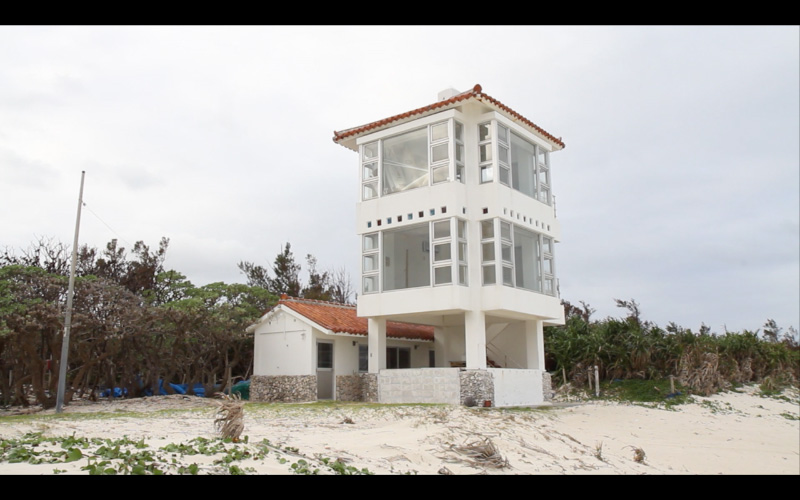
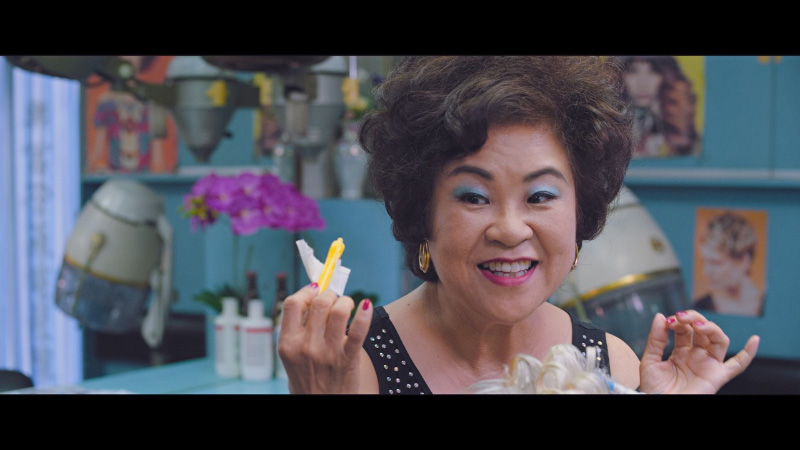
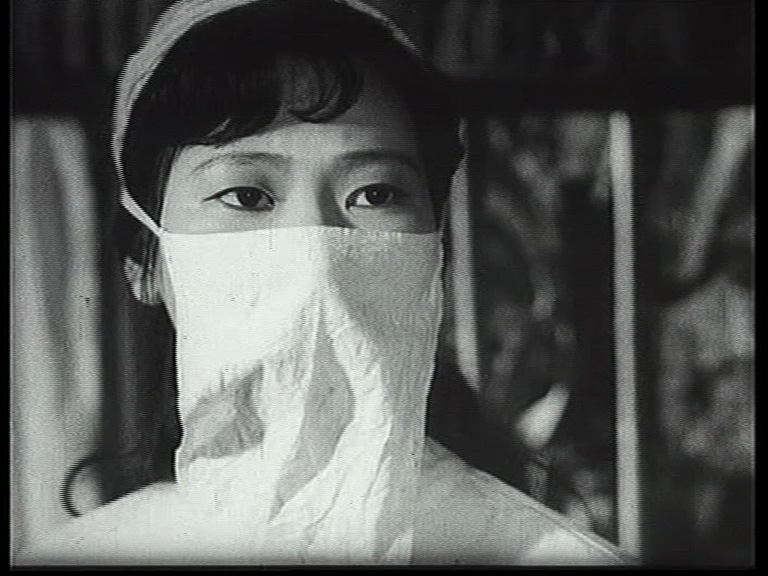
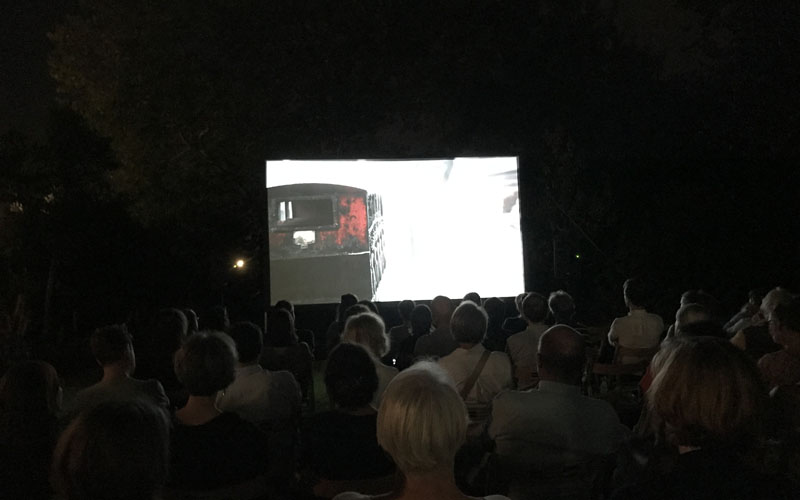
Nightlight Screening in Basel, Switzerland
MIACA is proud to present The Nightlight Screenings second edition with WHITE FRAME (Switzerland) exploring recent works from Swiss and international artists. This initiative aims to draw a more focused attention to video art and art film works to a broader public and to simultaneously foster international exchanges for our Swiss productions. Participating artist include;
Li Xiaofei,
Futoshi Miyagi,
Aya Momose,
Wong Ping,
Nguyen Trinh Thi,
Wee Li Lin and Charles Lim, and
Kavich Neang.
Date: 25 August 2017
Time: 20:00–23:00
Venue: Garden of the Christoph Merian Foundation, St. Alban-Vorstadt 5, Basel, Switzerland
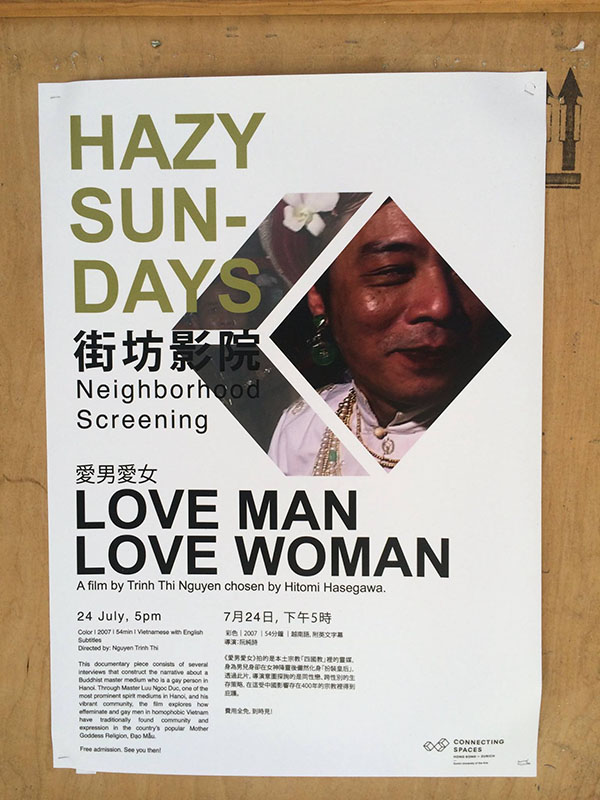
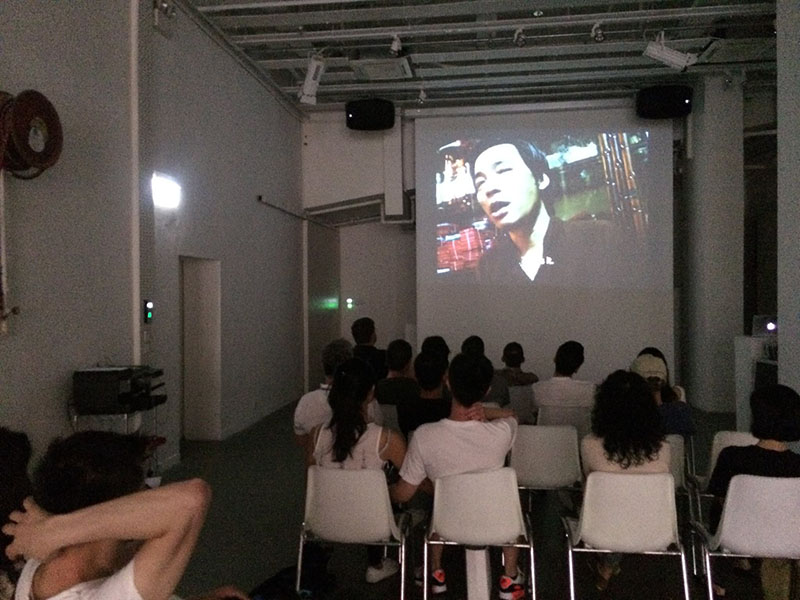
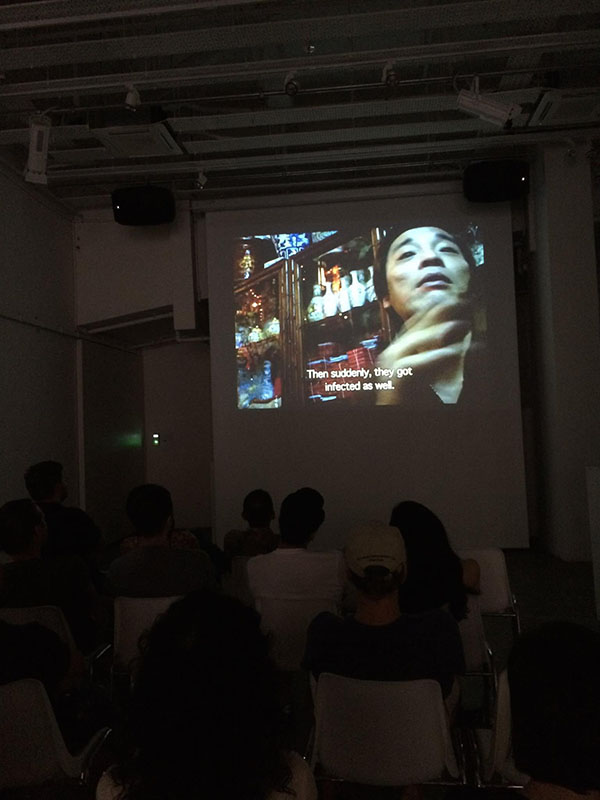
Hazy Sundays; Love Man Love Woman by Nguyen Trinh Thi
Date: 24th July, 2016 17:00
Place: Connecting Space, 18-20 Fort Street, North Point, Hong Kong
Love Man Love Woman by Nguyen Trinh Thi
Color | 2007 | 54min | Vietnamese with English Subtitles
Directed by: Nguyen Trinh Thi
Lecture Curating Art After New Media Hong Kong
Date: 18-22 May, 2016 2pm-
Place: MIACA, Chai Wan
MIACA had a lecture with the selected applicants of curating course that the Videotape, the Polytechnic University, and the ISEA organized.
More than 30 participants came to our studio and talked about new media and curating.
Yu Araki at The 60th BFI London Film Festival
Date: Sep., 2015
Place: British Film Institute, London, UK
The 60th BFI London Film Festival selected Yu Araki’s wonderful piece, Angelo Lives!
http://www.bfi.org.uk/lff
Asian Film and Vide Art Forum
Date: 2015 Sep. 9th to Oct. 31st
Place: National Museum of Modern and Contemporary Art (MMCA)
Seoul, Korea
MIACA presented two screening programs, one is about Feminism, the other is about Immediacy that the term discussed in 60's in film sphere. Both we picked up from the contemporary artists. We did the two-days symposium together with the film/video organizations of IAMIN, International Artists Moving Image Network, from Thailand, Indonesia, Malaysia, Korea.
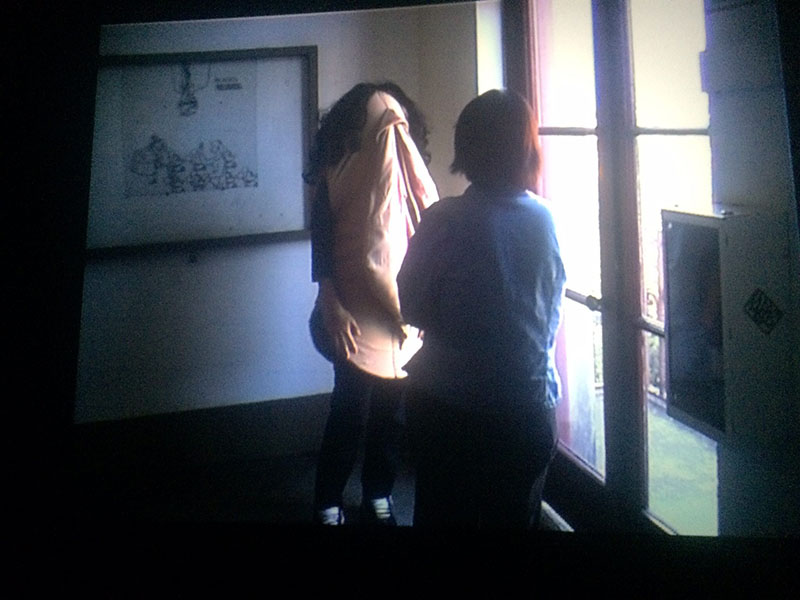
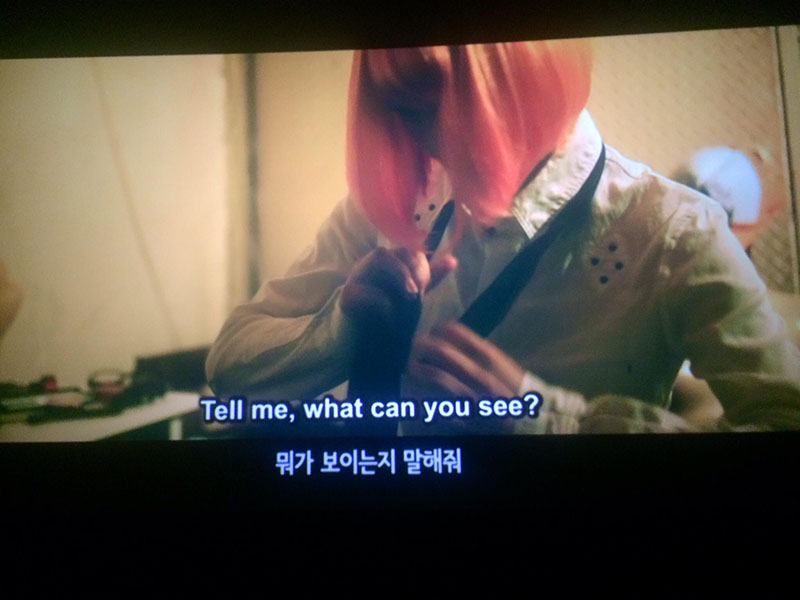
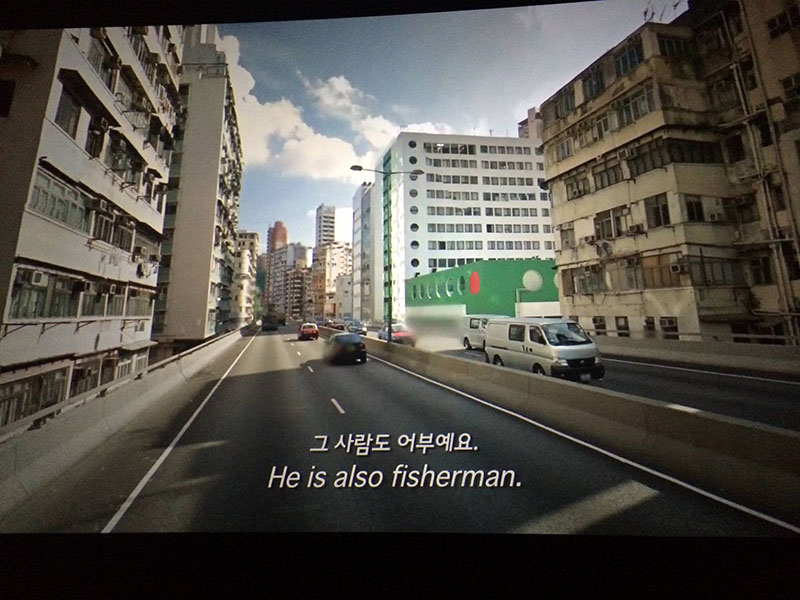
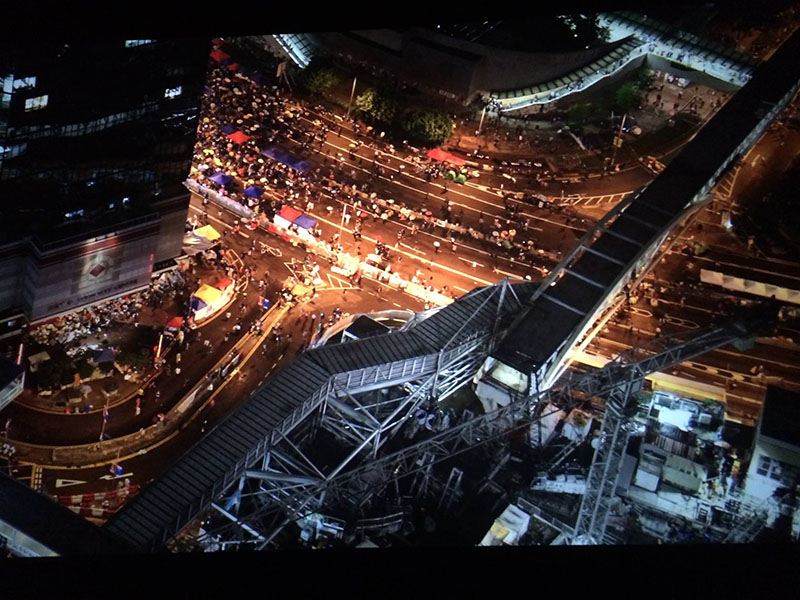
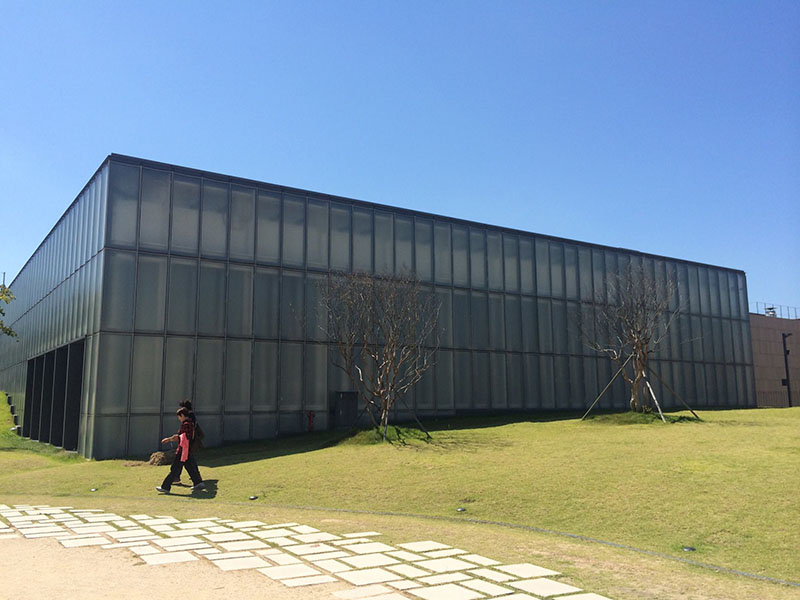
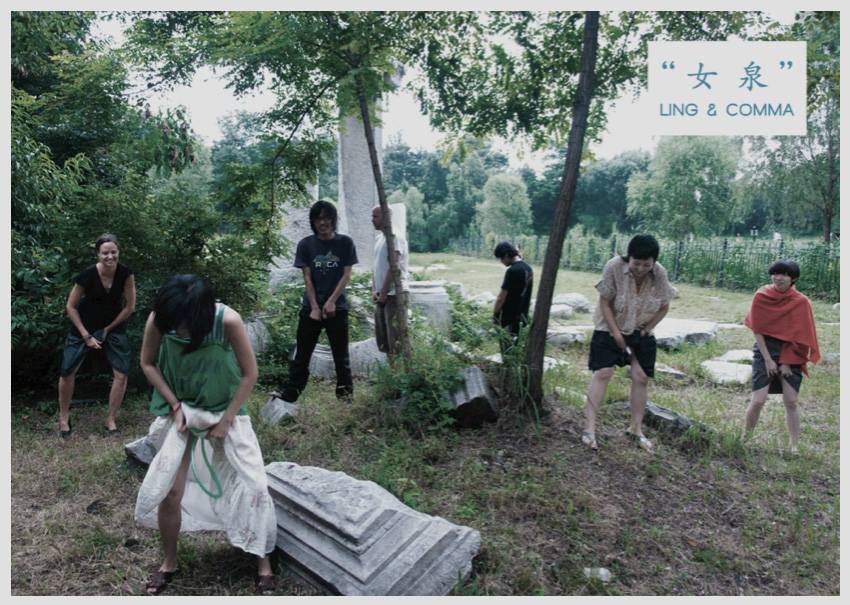
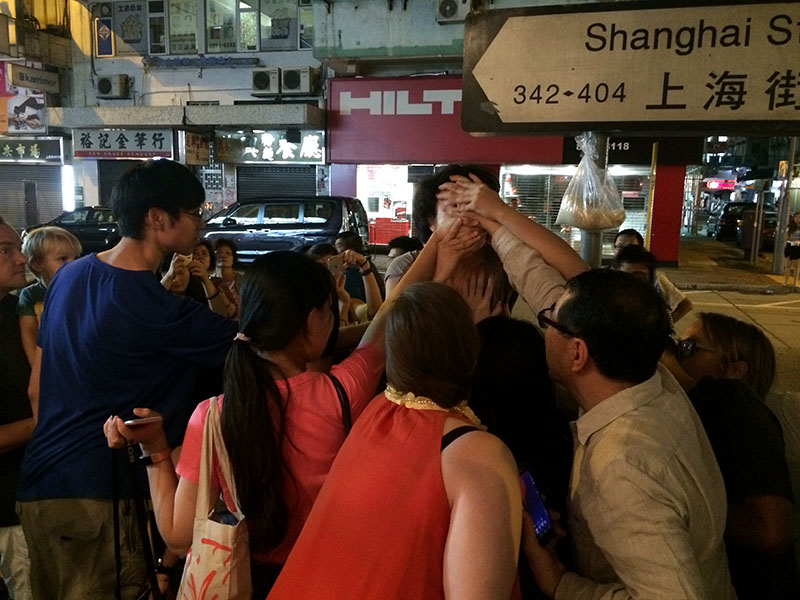
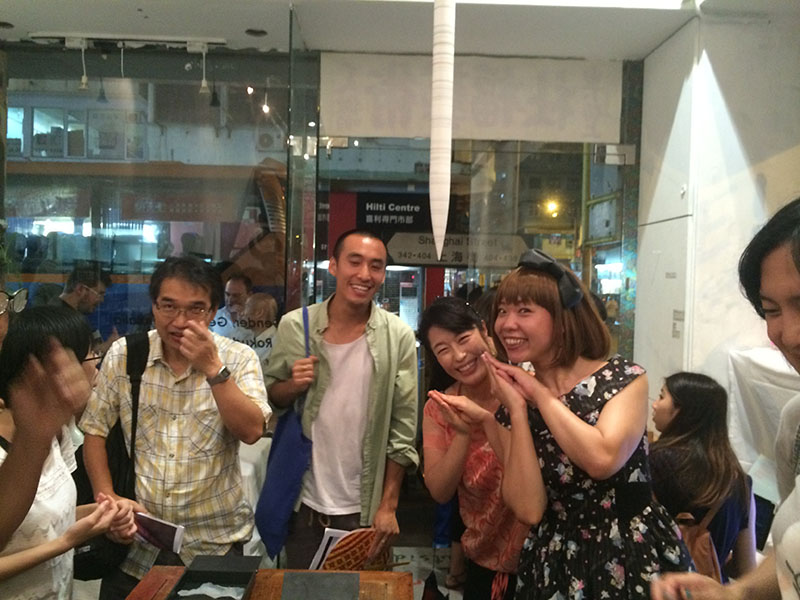
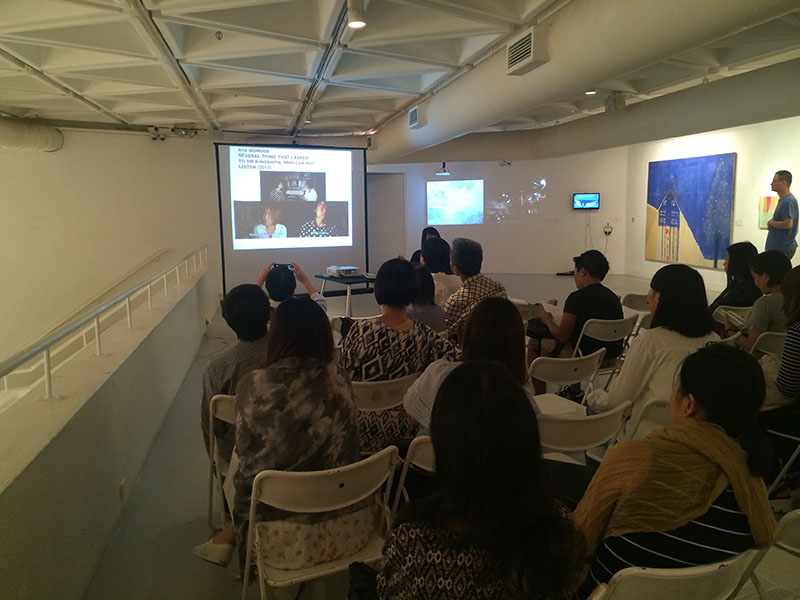
Gender, Genitor, Genitalia -Rokudenashiko Tribute exhibition
Date: Opening:On 29th Aug. 2015
Exhibition: 29th August 2015 to 20th September 2015
Place: Woofer Ten 活化廳,
404, Shanghai Street, Yau Ma Tei, Kowloon, Hong Kong
On 29th Aug. 2015, the opening of the Gender, Genitor, Genitalia -Rokudenashiko Tribute exhibition. At the Woofer Ten, themed feminism, censorship, media and genitalia.
All the fund was raised by the Indie GoGo and the Campfire, thanks for all who supported us!!
If you want to get the catalogue, please contact info@miaca.org
The price (color p132, Chinese, English, and Japanese) is 100HKD/130USD
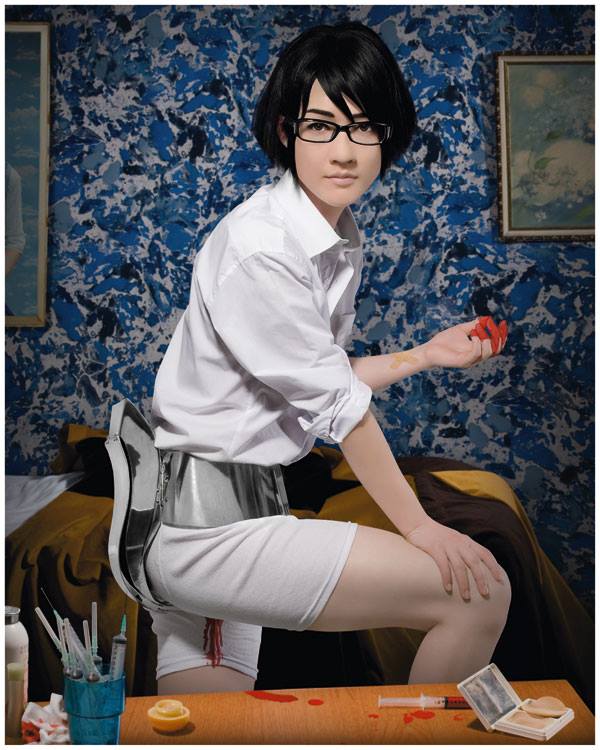
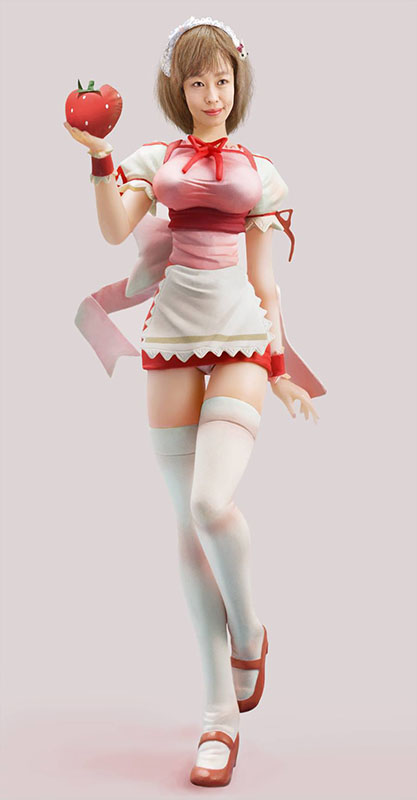
Lecture “After Fukushima -Young Japanese artists”
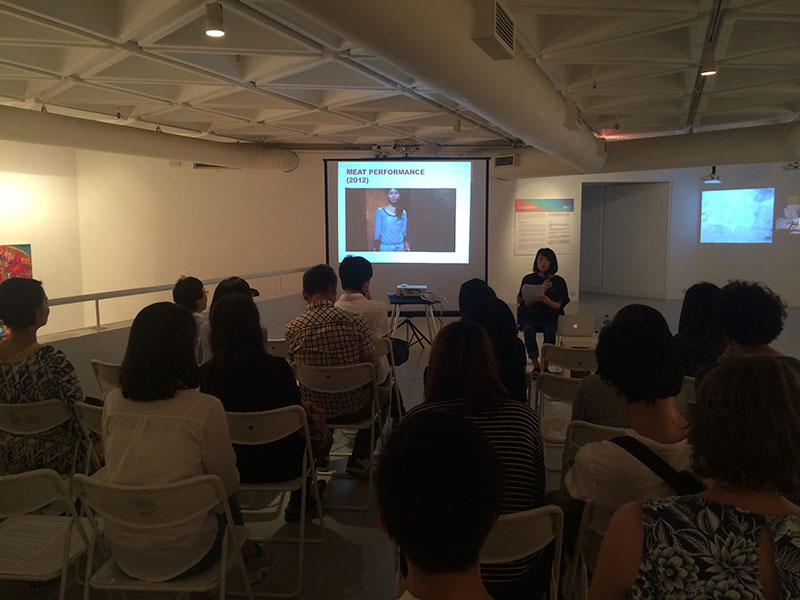
Date: Aug 22nd 2015
Place: Hong Kong Arts Center, Wan Chai, Hong Kong
At the Hong Kong Arts Center, Hasegawa of MIACA introduced Japanese young artists after Fukushima.
The artists introduced; Olta, Haruka Kawaguchi, Kota Takeuchi, Kyun Chome, Japonica, Aya Momose, Motoyuki Shitamichi, Yuki Iiyama, Mai Endo, Chim Pom
Speaker; Hitomi Hasegawa (MIACA director, Curator)
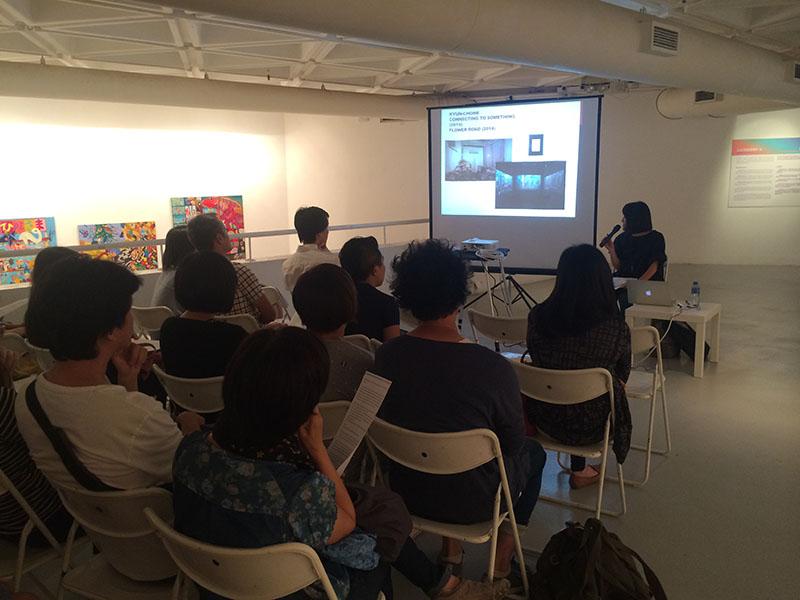
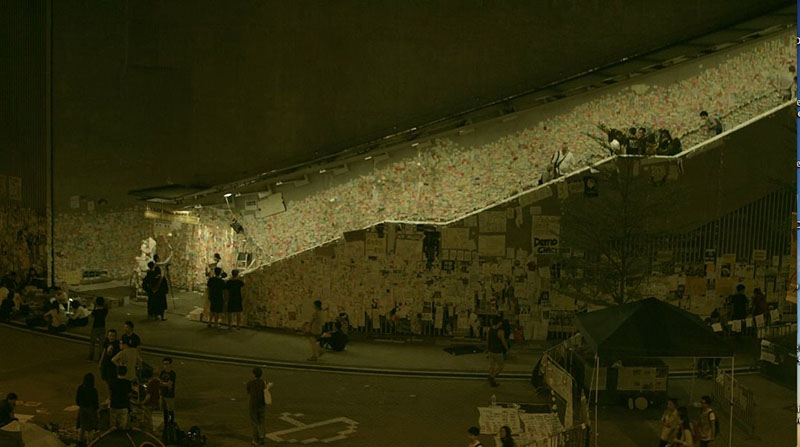
And The Story Goes
Date: 14th Mar (Sat) 2015, 18:30-20:30,
Place: WING | Platform for Performance
21/F, Unit 2102, Chai Wan Industrial City Phase II
70 Wing Tai Road, Chai Wan, HONG KONG
We did a screening event on 14th Mar (Sat) 2015, Screening by MIACA, food curated by SOOK, drink and performance!
Come and check the new space in Chai Wan, this is an inaugural event of the WING platform for performance. Plus please take a look at Chai Wan Mei Festival open studios and galleries, also a pop-up exhibition by Inti Guerrero!
The space Wing was initiated by Leslie Van Eyck, performing arts curator.